Street animal rescue coordination
in India
When minutes matter, clear reporting and fast routing beat scattered messages.
From first sighting to veterinary handover, reporters, NGOs, volunteers, and veterinarians share one workflow on The Pet Partner. After stabilizing a case, you can book vet appointments on the same network as adoption, lost and found, and NGO crowdfunding— report a rescue when you see an animal in distress.
Structured
intake
Geo-aware
routing
Accountable
updates
Vet-ready
appointments
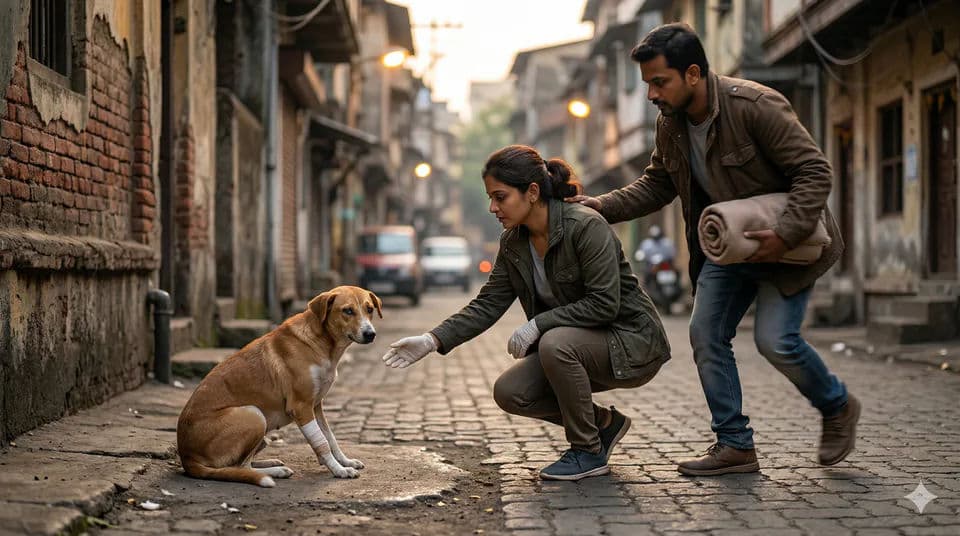
Example status
Dispatch → volunteer → clinic handover
Golden hour
Early minutes change outcomes
One ecosystem
Rescue · vets · adoption
Step-by-step emergency reporting
In the window before shock, heat, traffic, or fear makes a case harder—often called the golden hour for getting help moving—your report should describe, locate, and prioritize. The platform guides you through incident details and safe proximity notes so NGOs can triage and dispatch without guessing. Clinical handover and follow-up vet appointments stay on the same network when you need scheduled care after pickup.
Every minute counts in animal rescue: reports submitted with clear location and injury severity allow NGOs to assess scope and dispatch the right responder—whether a trained volunteer, field veterinarian, or coordinated team. Expected timelines vary by urban density and volunteer availability, but in metropolitan areas like Delhi, Bangalore, Mumbai, and Chennai, coordinated responses typically reach animals within 30-60 minutes of report submission. The golden hour framework guides the platform interface so no critical detail is missed: injury type (gunshot, hit-and-run, poisoning, entanglement), current location accuracy (street name, landmark, GPS), animal behavior notes, and reporter contact details for real-time coordination.
After first responders stabilize a case, veterinary appointments can be booked immediately without switching platforms—critical for animals needing surgery, monitoring, or recovery management. This unified workflow prevents delays and keeps all rescue context (photos, responder notes, case history) in one record accessible to the vet team.
One India-focused network for welfare—not only rescue
Rescue coordination connects reporters, NGOs, volunteers, and clinics. The same platform also supports pet adoption, lost and found, NGO crowdfunding, the volunteer directory, and veterinarian discovery with appointment booking so urgent cases and long-term outcomes share context instead of scattered group chats.
Animal welfare in India spans crisis response and long-term care: injured strays need immediate emergency coordination, but once recovered or stabilized, they may be available for adoption or require ongoing medical management. The Pet Partner ecosystem bridges these workflows—a single report can trigger immediate rescue coordination, and after the emergency phase, the same case record allows NGO partners to coordinate potential adoption pathways or schedule routine follow-up vet care. This continuity is critical in rescue: many animals stabilized during emergency phases become available for verified adoption, and families or rescuers using the adoption platform can transparently understand an animal's rescue history and medical background.
NGO partners also benefit from crowdfunding capabilities: a rescue case that requires extended veterinary care, specialized surgeries, or behavioral rehabilitation can fundraise transparently using the platform, with regular updates to donors showing case progress and medical outcomes. All of this—emergency reporting, responder coordination, veterinary access, adoption pathways, and financial sustainability for NGOs—operates inside one verified network built for India's animal welfare needs.
Four roles.
One mission.
Every stakeholder follows a dedicated workflow to reduce delays and improve rescue outcomes.
The Requester
- check_circleRaise a request with photo and incident type (injury, entanglement, lost status).
- check_circleAdd location: pin or landmark using built-in map tools for accuracy.
- check_circleDescribe animal behavior and injury severity to guide NGO response urgency.
- check_circleFollow status updates from your account as responders confirm arrival and handoff.
- check_circleNo account needed for initial report; emergency dispatch is priority.
NGO / coordinator
- check_circleVerify credentials to access coordination dashboard and receive case alerts.
- check_circleTriage incoming rescue requests by urgency, location, and team capacity.
- check_circleDispatch nearest verified volunteer or internal rescue team to the scene.
- check_circleTrack real-time status: alert → dispatch → on-site → veterinary handoff.
- check_circleMaintain case records for accounting and donor impact reporting.
The Volunteer
- check_circleRegister with verification to receive rescue alerts for nearby incidents.
- check_circleAccept rescue tasks matched to your location and availability.
- check_circleNavigate to scene using integrated routing and receive task details (animal description, injury type, location precision).
- check_circleDocument rescue: upload photos, intake notes, and handoff logs at clinic.
- check_circleCoordinate directly with coordinators and receiving vet clinics during handoff.
The Vet
- check_circleReceive structured rescue referrals directly from the workflow with prior intake and transport context.
- check_circleReview case details (injury type, behavior notes, transport duration) before confirming admission capacity.
- check_circleDisplay appointment availability on the platform so follow-up vet care can be booked without call transfers.
- check_circleUpdate case status: admission → treatment plan → recovery progress → release or adoption readiness.
- check_circleAccess veterinary referral network for specialized cases requiring surgery, ICU care, or behavioral assessment.
A four-step journey
to safety
Raise Request
Guided intake captures photos, incident type, location precision, and behavior notes so coordinators triage without long chat threads—when minutes matter, structured data saves time. Reporters provide injury details (bleeding, limping, entanglement) and immediate context so NGOs can assess case urgency and dispatch appropriate responders.
Match responders
Geo-aware platform alerts registered NGOs and coordinators near the incident location, matching responders based on proximity, verified status, and current availability. Routing stays as fast as your region and team capacity enable—urban areas typically route within minutes, while rural or complex cases may require regional coordinator review.
Volunteer Dispatch
A verified volunteer responder is assigned the task with full context: incident location, animal description, injury type, and safe approach notes. The handoff is visible in the workflow—not lost in DMs or informal channels—so all parties (requester, coordinator, volunteer, vet) see updates in real-time as the animal is located, transported, and handed to clinical care.
Rescue & Care
First responders document pickup, transport conditions, and initial assessment, then immediately refer the case to a clinic partner with all prior context intact. Veterinary appointments and follow-up care are booked inside the same network, so the animal's rescue history, transport notes, and initial injury assessment inform the treatment plan without information loss between systems.
Checked partners.
Clear accountability.
Organization checks
NGOs and coordinators complete verification steps required by the platform before taking coordination roles on the network.
Clinical partners
Veterinary listings are reviewed against platform criteria before they receive referrals, so handovers stay accountable.
Activity trail
Status changes are recorded across the workflow for accountability, subject to product retention and privacy rules.
Need-to-know access
Reporter and volunteer details are shared only with people who need them for the case; follow in-app notices for how location is handled.
Building trust in emergency response networks
Animal rescue in India requires fast coordination but not at the cost of security or privacy. The Pet Partner implements multi-layered verification to ensure that reporters, NGOs, volunteers, and veterinarians can work together safely without exposing sensitive personal or location data. NGO coordinators undergo background checks and credential verification before accessing the rescue coordination dashboard. Volunteers register with identity confirmation and geographic service verification so only neighborhood responders receive alerts. Veterinary clinics provide facility documentation and licensed practitioner credentials before accepting rescue referrals.
Location data—critical for speed in rescue response—is shared on a need-to-know basis: the volunteering responder receives precise location for routing, but the sender’s personal address is never exposed. Case activity logs record all status changes (alert \u2192 dispatch \u2192 on-site \u2192 handoff \u2192 clinical admission) for accountability and NGO donor reporting, yet remain accessible only to parties involved in that specific rescue. Reporters can choose whether to receive status updates and how long their case record persists in the system. This balance between transparency (for rescuers who need case context) and privacy (for animals coming from sensitive situations or homes) recognizes that some rescues involve abuse cases or behavioral assessment where confidentiality protects both the animal and the reporting party.
All data transmission uses industry-standard encryption, and veterinary records remain subject to same confidentiality rules as clinical records under Indian data protection standards. If an rescued animal moves into adoption pathways, prior rescue context and medical history travel with the animal’s verified profile, helping adoptive families understand background and ongoing care needs without exposing source location or cause of initial rescue.
Common rescue challenges
in India.
Why structured coordination matters when seconds count.
Golden hour delays
Contacting NGOs individually via phone or social media wastes critical minutes. Automatic geo-routing in The Pet Partner reduces alert-to-dispatch time from hours to a few minutes, connecting nearby volunteers and coordinators in parallel instead of sequential calls.
Information loss in handoffs
When rescue info is shared via voice calls or transit, critical details (injury type, transport duration, animal behavior) are often lost or contradicted at the clinic. Structured case records preserve full context from report through veterinary admission.
Vague or unsafe locations
Directions like 'near the park' or verbal landmarks slow down responders. The platform enforces location precision (pin, street, landmark) and provides routing so volunteers arrive in minutes, not an hour of searching.
Uncoordinated multiple responses
When posts go viral on social media, 10 volunteers may converge on one rescue scene—causing stress for the animal and overwhelming coordinators. Dispatch assignment ensures the right responder is assigned, preventing duplicates and wasted effort.
No vet coordination
Rescued animals often reach clinics without prior context, leading to redundant intake interviews and delayed treatment. The Pet Partner's veterinary booking integrates rescue history so clinical teams start treatment immediately with full background.
Financial sustainability for NGOs
NGOs running rescue operations struggle with donor communication and crowdfunding for cases requiring expensive care. The platform integrates case tracking with fundraising, so donors see verified impact and NGOs can fundraise transparently for ongoing medical expenses.
Operational
questions
Common questions about how the rescue request and dispatch system works.
Read morearrow_forwardHow do I report an injured or trapped animal in India?expand_more
Sign in or create an account, open a rescue request, and share clear photos, a short description, and location (exact pin or nearby landmark, as the workflow allows). Note if the animal can move, if traffic or people pose risk, and if you can stay nearby safely. The more accurate and recent the report, the faster coordinators can triage and dispatch help.
What happens after I submit a rescue report?expand_more
Authorized responders—NGOs, on-ground volunteers, or partner clinics—see the case according to platform rules. They may update status, ask follow-up questions, assign someone nearby, or route the animal to veterinary care. You can track progress from your account when those features are enabled for your role.
Why is location important for animal rescue coordination?expand_more
Street rescue is geography-heavy. Coordinates or a clear area help match the nearest volunteer, ambulance route, or clinic hours. The platform balances routing with privacy: only what responders need should be shared.
What is the golden hour idea in street rescue?expand_more
Early minutes often decide whether an animal gets help before shock, heat, traffic, or fear makes the case harder. A structured report with photos and location beats a vague social post because coordinators can route help without losing the thread in group chats.
How can I book a vet appointment after a rescue?expand_more
Use veterinarian discovery and appointment booking on The Pet Partner when the product is enabled in your area. That keeps stabilization, vaccines, or surgery scheduling on the same network as the rescue workflow instead of starting over elsewhere.
Is The Pet Partner only for rescue?expand_more
No. Rescue coordination sits alongside pet adoption, lost and found, NGO crowdfunding, volunteers, and vet discovery—one India-focused welfare network so urgent cases and long-term outcomes can share context.
How is this faster than only posting on social media?expand_more
Structured intake and routing reduce back-and-forth and duplicate threads. One clear report in the app often reaches the right NGO or volunteer faster than reshares that lack pin, condition, and who is on the ground.
How can I help if I cannot foster or adopt right now?expand_more
Report accurately, volunteer for transport or field help, donate to verified campaigns, or share responsibly. Many animals are helped when someone spends a few minutes filing a structured report instead of only dropping a message in chat.
Are rescue details visible to everyone?expand_more
No. Sensitive case information is limited to people in the workflow—reporters, assigned volunteers, NGO staff, and vetted medical partners—according to permissions. That reduces harassment and unsafe exposure.
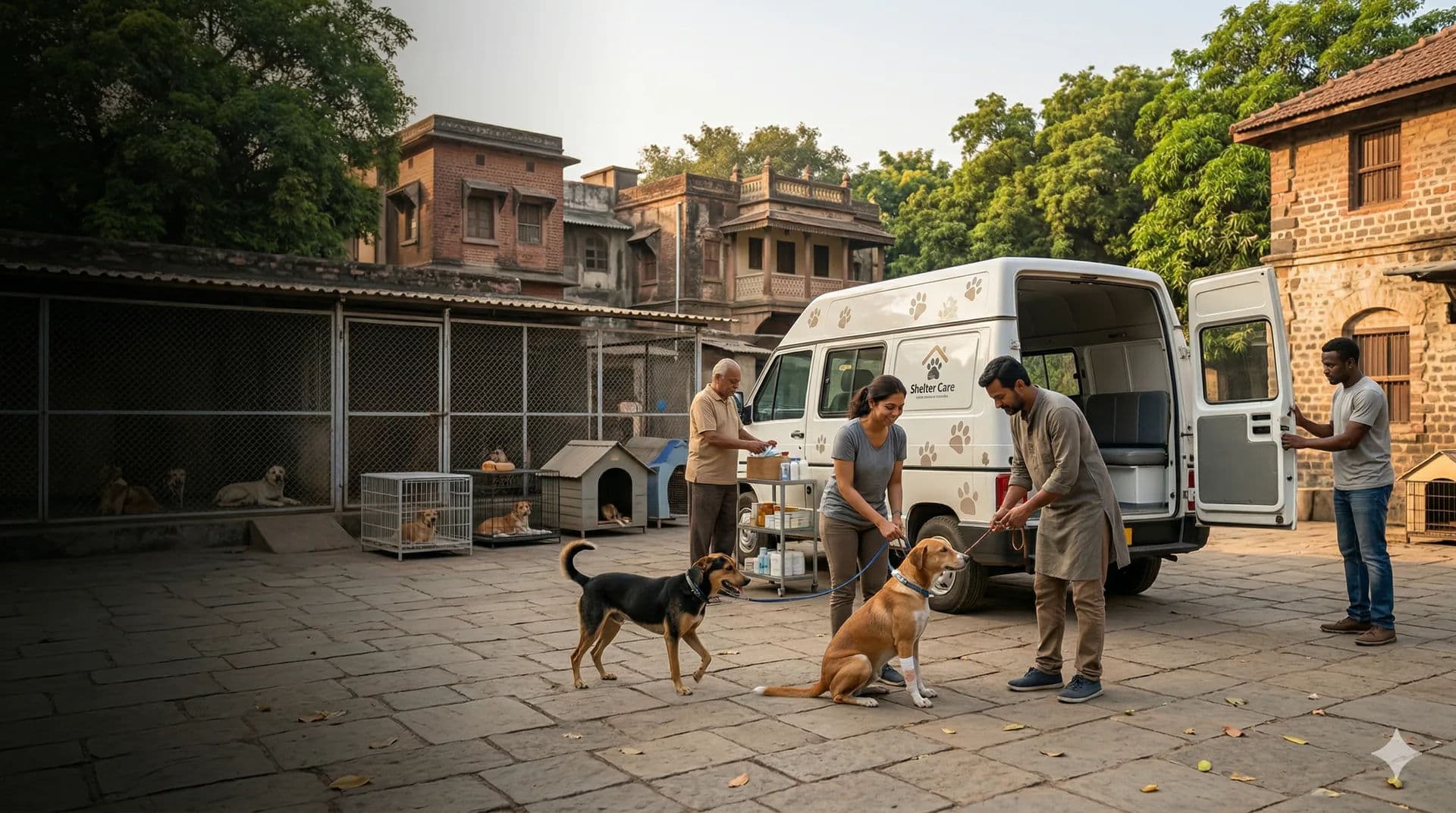
Your action can
save a life today.
Report with photos and location, volunteer if you can reach the scene, and book vet appointments when an animal needs scheduled care—all inside one welfare network.