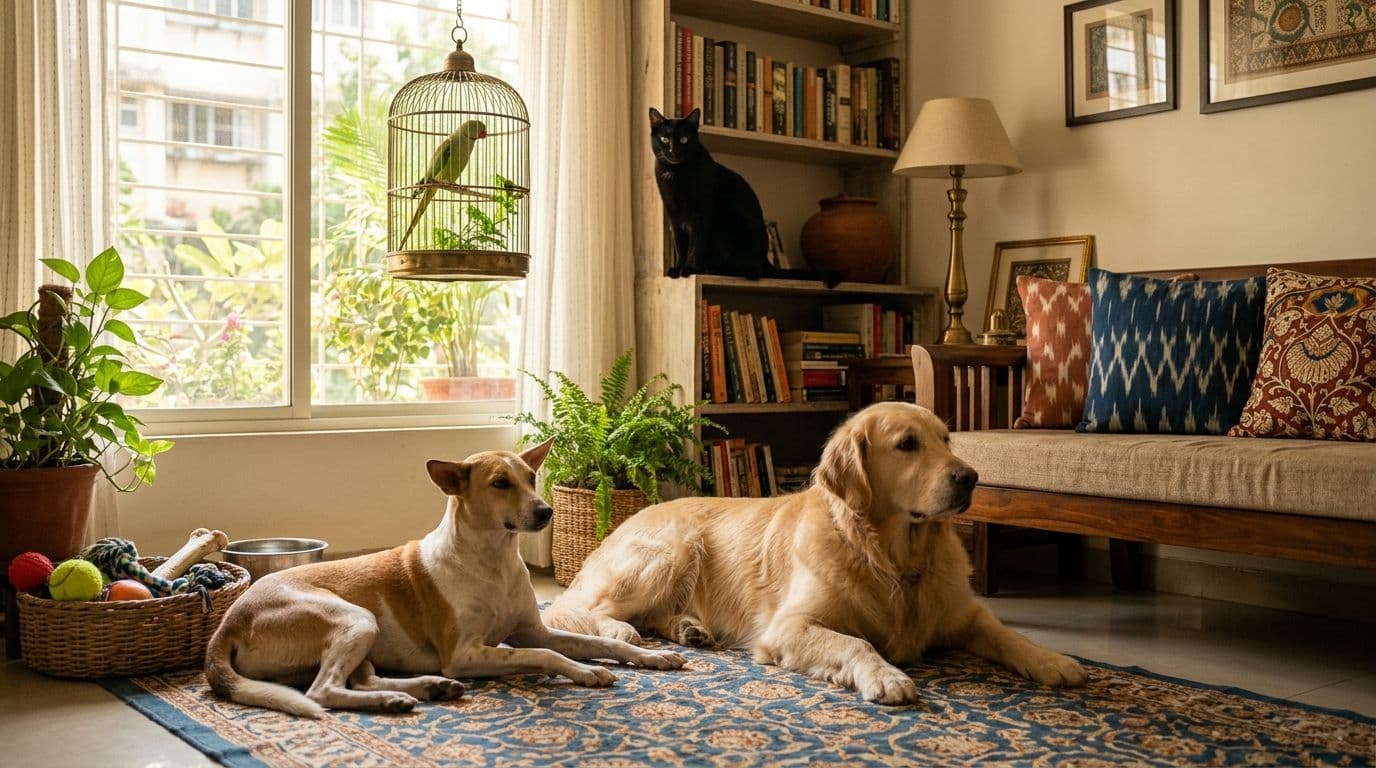
Your pet cannot tell you when something is wrong. What they can do is show you — through changes in appetite, shifts in behaviour, or physical signs that are easy to miss if you are not looking. For Indian pet owners, recognising these signals early is the practical difference between a straightforward vet visit and a preventable emergency. This guide covers ten early warning signs that should prompt closer attention, and explains clearly when home monitoring is appropriate versus when you need professional veterinary care right away. Catching a problem in its first stage is almost always cheaper, faster, and less distressing for your animal than treating it after it has progressed. Important: This guide is for general information only and does not replace a veterinary consultation. If you are concerned about your pet's condition, contact a qualified veterinarian without delay.
Unusual Eating, Drinking, or Urination Habits
A sudden decrease or complete loss of appetite (anorexia) or, conversely, a sudden increase in hunger (polyphagia) can be a significant indicator of underlying health issues. Similarly, a noticeable change in water consumption – either drinking excessively (polydipsia) or hardly at all – warrants attention. These shifts can point to metabolic disorders, dental pain, kidney disease, or even infections.
Closely tied to fluid intake are changes in urination patterns. Observe if your pet is urinating more frequently, in larger volumes, or straining to urinate. Any blood in the urine, strong odour, or inappropriate urination outside their designated area could signal urinary tract infections, bladder stones, or kidney problems. Monitoring these basic biological functions provides crucial insights into their internal health.
A pet's health is a delicate balance; even subtle shifts in their routine or demeanor can signal underlying issues. Early observation and prompt veterinary consultation are your best tools for ensuring their well-being.
Sudden Lethargy or Altered Demeanor
Lethargy is more than just being tired; it's a profound lack of energy and enthusiasm where your pet might be less playful, uninterested in walks, or slow to respond to commands. This can manifest as increased hiding, unusual clinginess, or even uncharacteristic aggression, indicating they are not feeling well.
Additionally, restlessness, pacing, or difficulty getting comfortable are often subtle signs of pain or discomfort. Any unexplained change in their usual personality or activity level, however minor, is a significant red flag that warrants closer observation and potentially a vet visit, as these shifts could indicate pain, stress, neurological issues, or systemic illness.
Gastrointestinal Distress: Vomiting, Diarrhoea, or Constipation
Occasional vomiting or a loose stool might not be alarming, but persistent or severe gastrointestinal upset is a serious concern. Repeated vomiting, especially with bile or blood, or continuous bouts of diarrhoea, can rapidly lead to dehydration and electrolyte imbalance, which can be life-threatening, particularly for puppies and kittens.
Conversely, straining to defecate, producing very hard stools, or a complete absence of bowel movements for more than a day can indicate constipation. This might be due to dietary issues, ingestion of foreign objects, or other internal blockages. Any persistent GI issue requires prompt veterinary assessment to identify the cause and prevent complications.
Respiratory Symptoms: Coughs, Sneezes, and Labored Breathing
Just like humans, pets can develop respiratory infections. A persistent cough, frequent sneezing, or nasal discharge (especially if coloured or thick) are common signs. These could indicate kennel cough, feline flu, allergies, or even more serious conditions like pneumonia. Keep an eye on the colour and consistency of any discharge.
Difficulty breathing, however, is an emergency. This might manifest as rapid, shallow breaths, open-mouthed breathing (especially in cats), wheezing, or a bluish tint to their gums. If your pet appears to be struggling to breathe, this requires immediate veterinary attention as it could be a sign of heart failure, asthma, or a severe allergic reaction.
Skin Changes, Dull Coat, or New Lumps
A healthy pet typically has a shiny, well-maintained coat and clear skin. Signs of trouble include excessive scratching, licking, or chewing, which can lead to redness, hair loss, or scabs. A dull, greasy, or matted coat, even with regular grooming, can indicate nutritional deficiencies, parasites, or systemic illness. Check for fleas, ticks, or other external parasites, which are common in India's diverse climates.
Regularly palpate your pet’s body for any new lumps, bumps, or swelling. While many might be benign fatty tumours (lipomas), others could be abscesses, cysts, or even cancerous growths. Any rapidly growing, painful, or firm lump should be examined by a veterinarian. Also, inspect their paws for cuts or foreign objects, and their ears for redness, discharge, or foul odour.
Common Questions
How do I know if my pet is just tired or actually sick? Distinguishing between tiredness and sickness involves observing duration and accompanying symptoms. If your pet's low energy is persistent, lasts more than a day, or is accompanied by other signs like loss of appetite, vomiting, or changes in urination, it's likely more than just tiredness. A sick pet often shows a general malaise, disinterest in usual activities, and may hide or act unusually withdrawn, unlike a simply tired pet who will typically rebound after rest.
What are the most common signs of illness in Indian dogs? In Indian dogs, common illness signs include changes in appetite or water intake, lethargy, vomiting, diarrhoea, coughing, and skin issues like excessive scratching or hair loss, often exacerbated by local climate and parasitic prevalence. Tick-borne diseases are also common, presenting with fever and lethargy. Any persistent deviation from their normal behaviour, energy levels, or bodily functions should prompt a vet visit.
Can stress cause my pet to seem sick? Yes, stress can significantly impact a pet's physical health, often mimicking signs of illness. Stress can lead to gastrointestinal upset like vomiting or diarrhoea, changes in appetite, excessive licking or grooming, lethargy, and behavioral issues such as aggression or withdrawal. Chronic stress weakens the immune system, making pets more susceptible to actual infections. It's crucial to identify and mitigate stressors while consulting a vet to rule out underlying medical conditions.
When is a vet visit an emergency for a pet? A vet visit is an emergency if your pet exhibits severe difficulty breathing, continuous vomiting or diarrhoea (especially with blood), collapse or sudden weakness, seizures, severe pain, inability to urinate or defecate, ingestion of toxins, or significant trauma like a car accident. Any rapidly deteriorating condition or life-threatening symptom requires immediate professional medical attention to ensure the best possible outcome.
What should I do if my pet shows mild sickness signs but seems okay later? If your pet shows mild sickness signs that resolve quickly, continue to monitor them closely for the next 24-48 hours. Keep an eye on their appetite, water intake, energy levels, and bathroom habits. Note down any recurrence of symptoms. If symptoms return, worsen, or if you remain concerned, it's always best to consult your veterinarian in India for advice, as early intervention can prevent minor issues from escalating.
Sources & References
Indian Veterinary Association (IVA) — national veterinary practice standards and clinical guidance for companion animals in India. https://www.indianveterinaryassociation.com
World Small Animal Veterinary Association (WSAVA) — global guidelines on preventive healthcare, vaccination, and clinical assessment of dogs and cats. https://wsava.org
ICAR-Indian Veterinary Research Institute (IVRI), Bareilly — research on infectious and endemic diseases affecting companion animals in Indian conditions. https://ivri.nic.in
Merck Veterinary Manual — clinical reference for disease recognition and emergency triage in companion animals. https://www.merckvetmanual.com
Animal Welfare Board of India (AWBI) — advisory body under MoFAH&D; issues guidance on animal healthcare standards and the Prevention of Cruelty to Animals Act, 1960. https://awbi.in
Next step
Concerned About Your Pet's Health?
If you've noticed any of these signs or have other worries, don't hesitate. Our platform connects you with trusted veterinarians across India. Find local clinics, book appointments, and get expert advice to ensure your pet receives timely care.