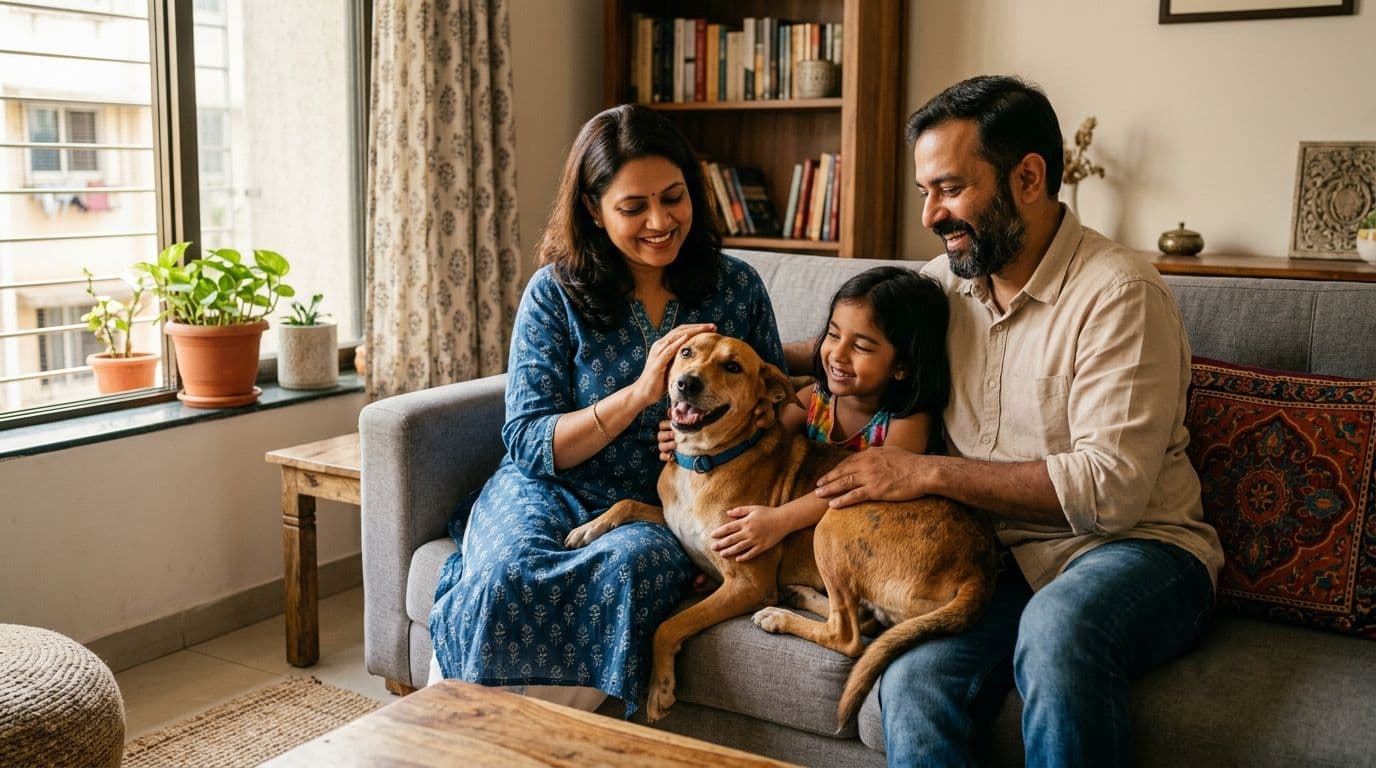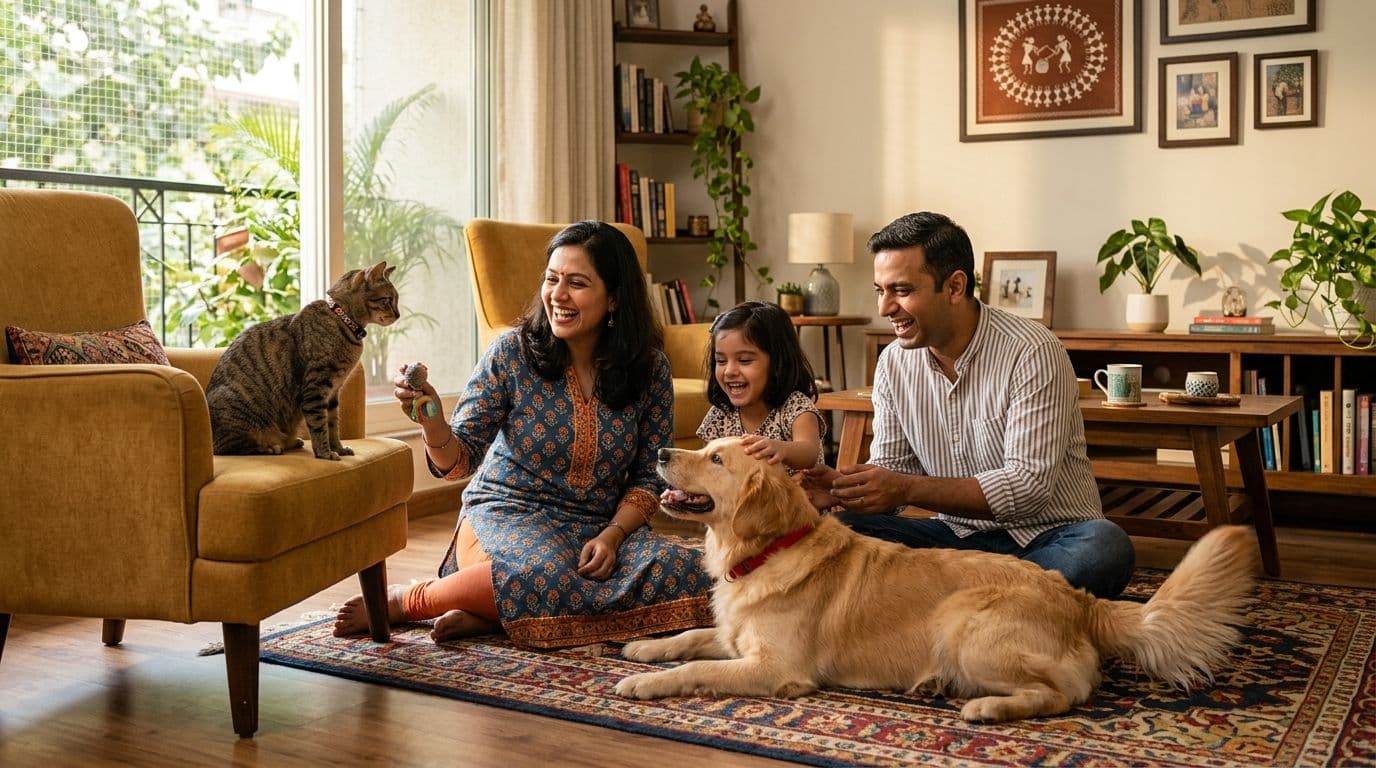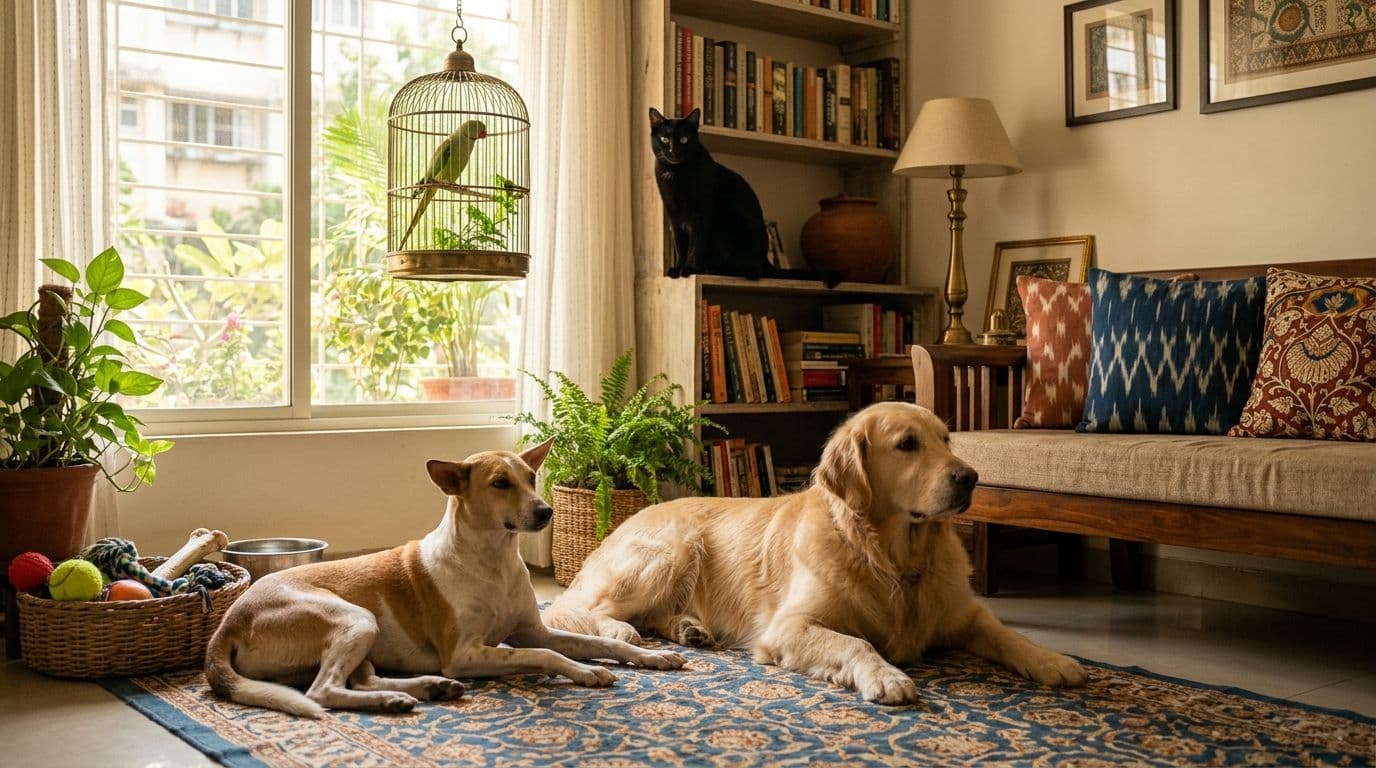
Bringing a second or third animal into your home changes the social structure of every animal already living there. Without preparation, that change creates resource competition, chronic stress, and sometimes lasting aggression. Done well, animals enrich each other's lives and the household runs more smoothly than most owners expect. This guide gives Indian pet owners a practical framework for introducing multiple pets, managing inter-species dynamics, allocating resources fairly, and recognising when a multi-pet arrangement is causing more harm than good. Whether you are adding a kitten to a dog household, a second dog to a cat household, or managing a three-animal home, the principles are the same: gradual, controlled introductions and clear resource separation from day one.
Thoughtful Introductions: The Foundation of Harmony
The initial meeting between pets sets the tone for their future relationship. For dogs, controlled, leashed introductions in a neutral territory are often recommended, allowing them to sniff and observe without feeling territorial pressure. Keep these first encounters brief and positive, ending before any signs of stress emerge.
Introducing cats requires a more gradual approach, often starting with scent swapping before visual contact. Use separate rooms initially, feeding them on opposite sides of a closed door, then progressing to supervised visits with a barrier. Always ensure each pet has a safe, private retreat they can access.
For mixed species households, such as dogs and cats, supervision is non-negotiable, especially during initial phases. Understand the natural prey drives of certain animals and ensure appropriate barriers or training are in place to prevent accidents. Patience is key; never rush the process.
Creating a peaceful multi-pet home isn't about eliminating individuality, but about celebrating it within a framework of respect, understanding, and abundant love for every single one of your cherished companions.
Resource Management: Preventing Conflict
Resource guarding is a common source of conflict in multi-pet homes. To mitigate this, ensure each pet has their own designated food and water bowls, ideally placed in separate areas to prevent competition. Feed pets individually, especially if one eats faster or is prone to guarding.
Provide ample sleeping spaces, beds, and toys for every animal. A good rule of thumb is 'N+1' – meaning N pets should have N+1 of essential resources like beds and toys, allowing for choice and reducing perceived scarcity. This is particularly important for cats, who value personal space.
Ensure access to multiple litter boxes for cats (N+1 rule applies here too), placed in different, accessible locations. For dogs, ensure individual walking schedules or separate walk times if they don't get along well on leash. Consistent access to individual attention also counts as a vital resource.
Training and Socialization: Building Good Manners
Consistent training is vital for all pets, regardless of their number. Basic obedience commands like 'sit,' 'stay,' 'come,' and 'leave it' are incredibly useful for managing interactions and preventing unwanted behaviors. Ensure all family members use the same commands and reward systems.
Socialization, both with humans and other animals, should be an ongoing process. While you want your pets to get along, controlled exposure to other friendly animals outside the home can also enhance their overall confidence and adaptability. Focus on positive reinforcement methods.
For multi-dog households, group training sessions can be beneficial, teaching them to focus on you even with distractions. For cats, training might involve clicker training for positive behaviors or ensuring they are comfortable with handling and grooming, which can reduce stress during vet visits.
Individual Attention and Playtime
Even in a bustling multi-pet home, each animal needs dedicated one-on-one time with their human companions. This strengthens your individual bond, reinforces their sense of security, and allows you to address specific needs or provide tailored enrichment without competition.
Schedule separate play sessions if your pets have different play styles or energy levels. A high-energy dog might enjoy a vigorous fetch session, while a cat might prefer a quiet laser pointer game. This prevents one pet from dominating playtime and ensures everyone gets their physical and mental stimulation.
Observe their interactions closely. While some pets may enjoy playing together, others might prefer parallel play or simply coexisting peacefully. Respect their individual preferences and avoid forcing interactions that cause stress or discomfort for any animal.
Health and Well-being: A Proactive Approach
Maintaining the health of multiple pets requires vigilance. Ensure all vaccinations are up-to-date and regular deworming and flea/tick treatments are administered, as parasites can spread quickly within a multi-pet environment. Regular vet check-ups are non-negotiable.
Monitor each pet's eating habits, energy levels, and bathroom routines individually. Subtle changes can indicate underlying health issues. Keep separate medical records and be mindful of any medications one pet might be on, ensuring they are not accidentally consumed by another.
Stress can manifest as behavioral changes or even physical ailments. Create a predictable routine for feeding, walks, and playtime to reduce anxiety. If you notice persistent signs of stress, aggression, or illness, consult your veterinarian promptly to rule out medical causes and discuss behavioral interventions.
Common Questions
How do I introduce a new pet to my existing dog or cat? Introduce a new pet gradually. For dogs, use neutral territory for initial, brief, leashed meetings. For cats, start with scent swapping through a closed door before supervised visual contact. Always provide separate safe spaces and ensure positive reinforcement, never forcing interactions. Patience is key to a successful integration.
What are common challenges in a multi-pet household? Common challenges include resource guarding over food, toys, or sleeping spots, territorial disputes, differences in play styles, and competition for human attention. Behavioral issues like aggression or anxiety can also arise. Proactive management of resources and consistent training are essential to mitigate these problems.
How can I prevent my pets from fighting over food? To prevent food-related conflicts, feed pets individually in separate rooms or at a safe distance from each other. Provide each pet with their own food and water bowls. Consider using slow feeders for fast eaters to ensure all pets finish around the same time, reducing perceived competition.
Is it better to have pets of the same species or different species together? There's no single "better" option; both same-species and mixed-species households can thrive with proper management. Same-species pets might share similar play styles, but different species can also coexist peacefully. Success depends on individual personalities, thorough introductions, and consistent management of their environment and resources.
How much attention does each pet need in a multi-pet home? Each pet requires dedicated, one-on-one attention daily, regardless of how many others are in the home. This strengthens individual bonds, provides tailored enrichment, and reinforces their sense of security. Schedule separate cuddle times, training sessions, and play to ensure all pets feel valued and loved without competition.
Next step
Find Your Next Companion: Adopt a Pet in Need Today!
Ready to expand your family? Explore our adoption listings featuring wonderful animals seeking loving homes across India. Each profile includes detailed information to help you find the perfect match for your existing pets and lifestyle. Give a deserving animal a second chance at happiness.