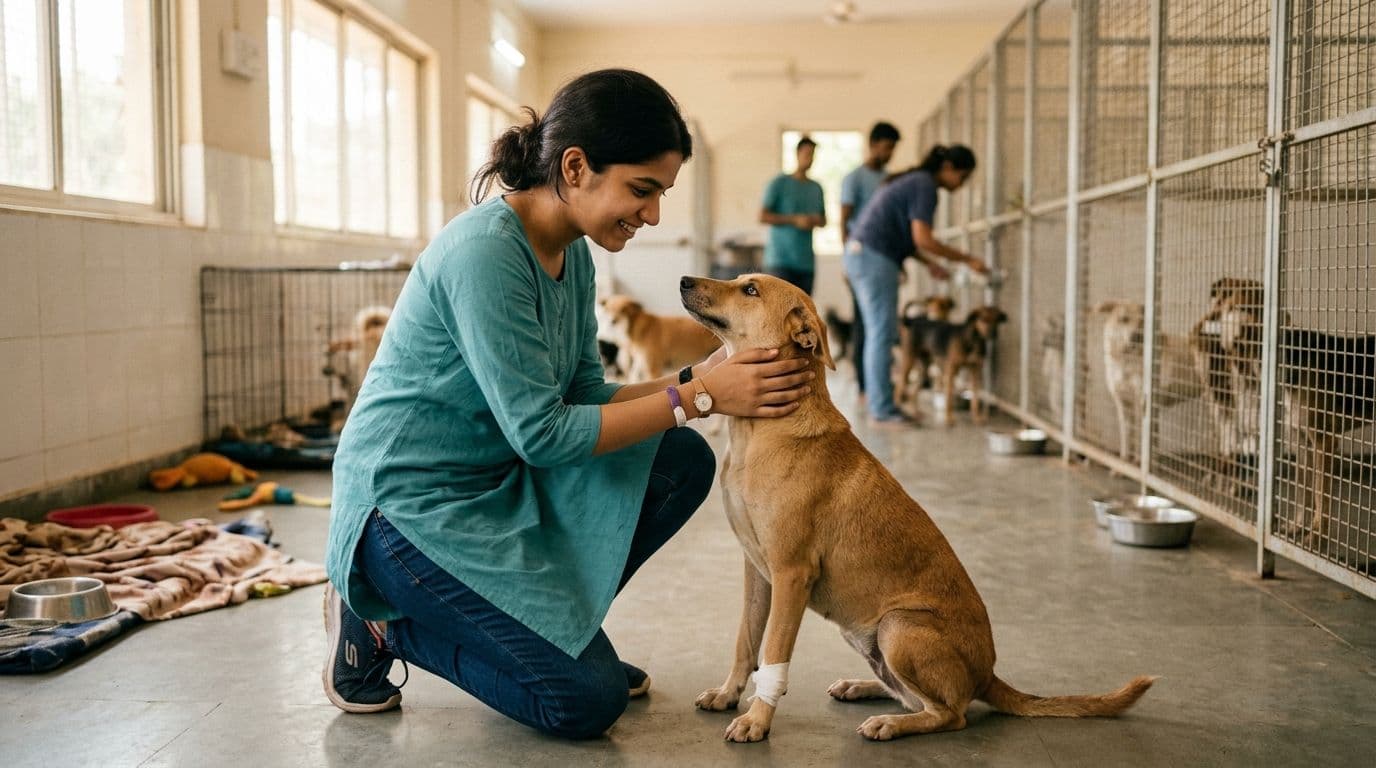
You do not need to adopt an animal to make a meaningful difference to animal welfare in India. Tens of thousands of pets and strays need help every day — and much of that help comes from people who foster, fundraise, transport, photograph, or amplify the work of shelters and rescue teams through their own networks. This guide covers practical, specific ways to contribute to animal welfare in India without taking on the full-time responsibility of ownership: volunteering with NGOs, short-term fostering, donation drives, digital support, community feeding, and more. Whether you have two hours a week or two days a month, there is a contribution that fits.
The Urgent Need for Animal Welfare Support in India
India is home to an estimated 62 million stray dogs and millions more cats, cattle, and other animals that often face severe challenges including malnutrition, disease, injury, and abuse. Animal shelters and rescue groups across the country, from metro cities like Bengaluru and Delhi to smaller towns, operate with limited resources and dedicated staff. They rely heavily on the generosity and efforts of volunteers to sustain their life-saving work.
The sheer scale of animal suffering means that every pair of helping hands makes a tangible difference. Volunteers not only assist with daily operations but also raise awareness, advocate for better animal protection laws, and connect animals with loving forever homes. Your commitment helps bridge critical gaps in care and resources.
Volunteering for animal welfare is not just about helping animals; it's about fostering a more compassionate society, one act of kindness at a time. Every hour, every skill, every voice contributes to a better life for those who cannot speak for themselves.
Diverse Pathways to Volunteerism: Beyond Direct Animal Care
Volunteering for animal welfare isn't limited to feeding or cleaning at a shelter. There's a wide spectrum of roles suited to various skills and schedules. Consider what you enjoy and what you're good at, as many tasks are vital for an organisation's success.
Here are some ways you can contribute: * **Direct Animal Interaction:** Assisting with feeding, cleaning kennels, walking dogs, socialising shy animals, grooming, or providing comfort to recovering pets. * **Administrative Support:** Helping with paperwork, data entry, managing databases, responding to emails, or organising files for an NGO. * **Fundraising & Events:** Planning and executing fundraising drives, managing stalls at community events, seeking sponsorships, or writing grant proposals. * **Marketing & Outreach:** Managing social media, creating content (photos, videos, articles), designing posters, or updating websites to promote adoptions and awareness. * **Transportation:** Driving animals to vet appointments, transporting supplies, or facilitating transfers between foster homes and shelters. * **Fostering:** Providing temporary home care for animals recovering from illness, young puppies/kittens, or those needing a break from the shelter environment. * **Maintenance & Repairs:** Assisting with minor repairs, painting, gardening, or general upkeep of shelter facilities.
Navigating Your Options: Finding the Right Fit
Identifying a reputable and suitable animal welfare organisation is the first critical step. Start by researching local NGOs and shelters in your city or region. Look for organisations with clear missions, transparent operations, and positive community feedback. Websites like GuideStar India or local directories can be good starting points, alongside social media groups dedicated to animal welfare.
Once you've shortlisted potential organisations, reach out to them directly. Inquire about their volunteer programs, required commitment, training provided, and any specific skills they might need. Visiting the facility in person, if possible, can also give you a better sense of their environment and needs. Don't hesitate to ask questions to ensure the organisation aligns with your values and expectations.
Preparing for Your First Volunteer Experience
Before you begin, understand that animal welfare work can be emotionally and physically demanding. You might encounter animals in distress or witness challenging situations. It's essential to approach the experience with an open mind, patience, and a willingness to learn from experienced staff and volunteers.
Many organisations offer an orientation or training session to familiarise you with their protocols, safety guidelines, and specific tasks. Dress appropriately in comfortable, washable clothing and closed-toe shoes. Be prepared to follow instructions diligently and always prioritise the safety and well-being of the animals and yourself. Consistency and reliability are highly valued, even if you can only offer a few hours a week.
Sustaining Your Impact: Long-Term Engagement and Advocacy
While one-time volunteering is helpful, consistent, long-term commitment creates a more profound impact. Regular volunteers become invaluable assets, developing deeper understanding of the animals' needs and the organisation's operations. Consider making your volunteering a recurring part of your schedule, even if it's just a few hours monthly.
Beyond direct service, you can advocate for animal welfare by educating your friends and family, sharing adoption posts on social media, supporting ethical pet businesses, and encouraging responsible pet ownership. Your voice can amplify the message of compassion and inspire others to get involved, creating a ripple effect of positive change for animals across India.
Common Questions
Can I volunteer with animals in India if I don't have experience? Yes, absolutely! Many animal welfare organisations in India welcome volunteers without prior experience. They often provide necessary training and guidance for various roles, from administrative tasks to direct animal care. Your enthusiasm and willingness to learn are often the most important qualifications, making it accessible for beginners to contribute meaningfully to animal welfare.
What are some non-physical ways to help animal shelters in India? There are numerous non-physical ways to help animal shelters in India. These include managing their social media, designing promotional materials, writing grant proposals, assisting with fundraising campaigns, performing data entry, or offering photography and videography services. Many shelters also need help with administrative tasks like answering calls or organising records, all crucial for their operations.
How do I find reputable animal NGOs in India? To find reputable animal NGOs in India, start by searching online for organisations in your city or region. Look for those with transparent financial reporting, a clear mission, and positive community reviews or testimonials. Websites like GuideStar India can offer insights into registered charities. Additionally, connect with local animal lover groups on social media for recommendations and firsthand experiences.
Is fostering animals considered volunteering? Yes, fostering animals is a highly valued form of volunteering. Fosters provide temporary home environments for animals, often those recovering from illness, young puppies or kittens, or animals that need a break from a shelter setting. This crucial support frees up space in shelters, reduces stress on animals, and helps them socialise, significantly increasing their chances of adoption into forever homes.
What should I know before volunteering at an animal shelter? Before volunteering at an animal shelter, be prepared for an emotionally and sometimes physically demanding environment. You should expect to follow strict safety protocols, be patient with animals, and work as part of a team. Shelters often require a consistent commitment, even if it's just a few hours a week. Dress comfortably in clothes you don't mind getting dirty, and wear closed-toe shoes.
Next step
Ready to Make a Difference? Find Volunteer Opportunities Near You!
Your passion for animals can transform lives. Explore local animal welfare organisations and shelters that are actively seeking volunteers. Whether you have an hour a week or a specific skill to offer, there's a place for you to contribute. Click below to connect with NGOs and start your journey in supporting India's incredible animal community.