The most common source of animal abandonment in India is not neglect — it is a mismatch between the animal and the household that took them in. An active breed in a studio apartment, a high-maintenance coat in a hot humid climate, a territorial species placed with young children: these mismatches cause real suffering for the animal and regret for the owner. This guide helps Indian pet owners make an informed choice before an animal arrives. It covers how to assess your actual lifestyle honestly, which species and breeds suit Indian housing and climate conditions, the realistic ongoing costs of ownership by species, and how to use adoption networks to find an animal already assessed for temperament and compatibility.
Assessing Your Lifestyle: Time, Space, and Finances
Before considering any specific animal, it's vital to conduct a realistic self-assessment. How much time can you genuinely dedicate each day to feeding, playing, grooming, and training? A high-energy dog, for instance, might require several hours of daily exercise, while a cat might be content with less direct interaction but still needs playtime and regular litter box maintenance.
Your living space also plays a critical role. Do you reside in a spacious house with a garden in Bengaluru, or a compact apartment in Mumbai? While some large dog breeds can adapt to apartment living with sufficient outdoor activity, smaller breeds or cats might be more naturally suited. Consider local housing society rules regarding pets, which can vary widely across Indian cities.
Financial readiness is non-negotiable. Beyond the initial adoption or purchase cost, pets incur ongoing expenses for food, vaccinations, regular vet check-ups, grooming, toys, and potential emergency medical care. Setting aside a monthly budget, perhaps INR 2,000-5,000 for a dog or INR 1,500-3,500 for a cat, is a prudent step for Indian pet owners.
Choosing a pet is not just about finding a companion; it's about making a lifelong commitment to provide love, care, and a suitable environment. The right match enriches both your life and theirs.
Dogs: Loyal Companions with Diverse Needs
Dogs are renowned for their loyalty and companionship, but their needs vary immensely by breed. For example, a Golden Retriever, known for its friendly nature, requires significant exercise and mental stimulation, making it ideal for active families with ample space. In contrast, a Pug, while affectionate, is prone to respiratory issues and thrives in a less strenuous environment, often suitable for apartment dwellers.
Consider your experience level. First-time owners might find breeds like Labradors, Beagles, or Indian Pariah dogs more adaptable and forgiving during the training process. More experienced owners might enjoy the challenge of working with breeds that have stronger instincts or require more specialized handling. Regardless of breed, all dogs benefit from consistent training and early socialization.
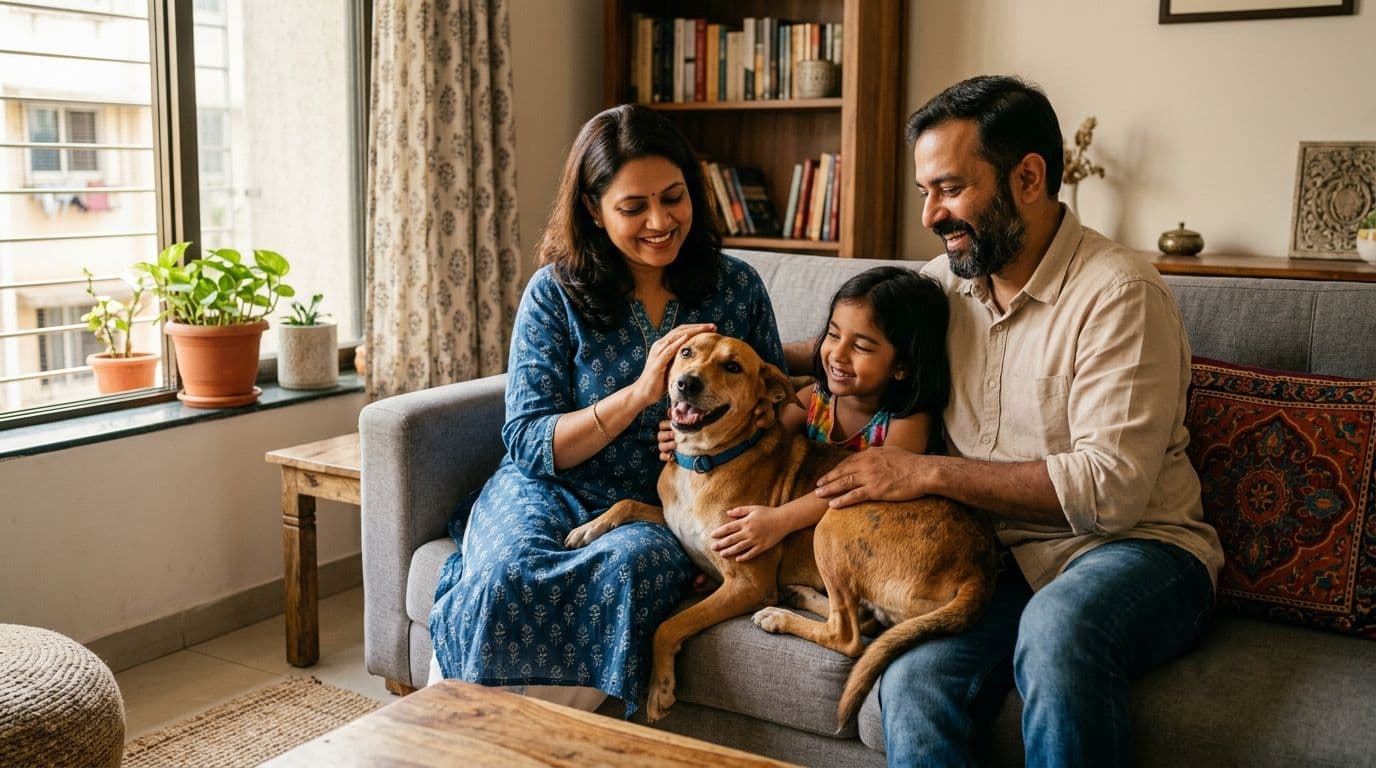
Remember that adopting an Indian street dog (indie) can be an incredibly rewarding experience. These resilient animals often adapt quickly to home environments, are generally hardy, and make wonderful, loving companions. Many local NGOs like RESQ in Pune or The Welfare of Stray Dogs in Mumbai facilitate their adoption.
Cats: Independent Spirits for Busy Homes
Cats offer a different kind of companionship, often perceived as more independent than dogs. This can make them an excellent choice for individuals with busy schedules or those living in smaller spaces. They are generally self-sufficient in terms of grooming and entertainment, though they still require daily interaction, playtime, and a clean litter box.
While less demanding of outdoor exercise, cats still benefit from vertical spaces like cat trees and scratching posts to express natural behaviours. Breeds like Persian cats require regular grooming to prevent matting, whereas a domestic shorthair (DSH) typically needs less intensive coat care. Their quiet nature also makes them suitable for homes where noise is a concern.
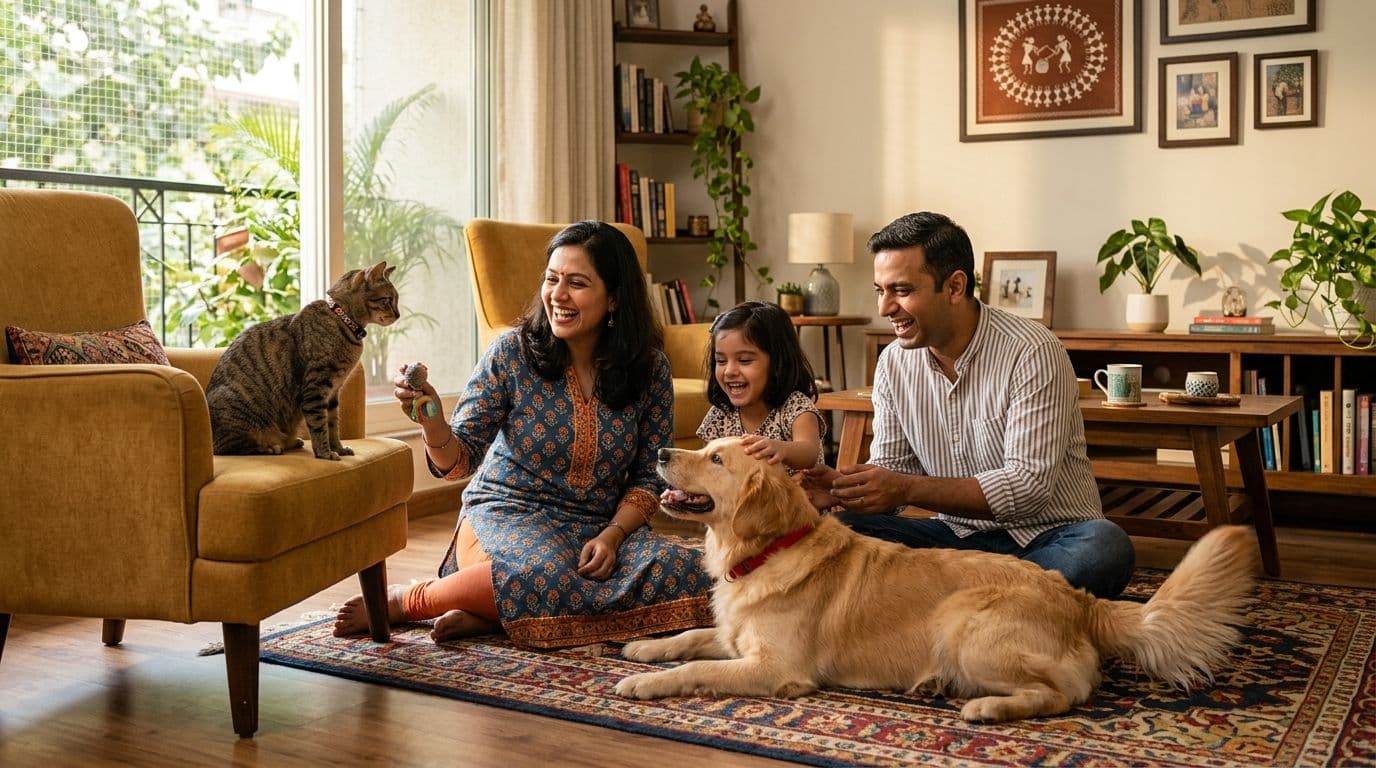
Many Indian households welcome rescued street cats, who often prove to be affectionate and adaptable pets. These cats, much like indie dogs, are robust and can bring immense joy to a family. Adopting a cat from a local shelter or rescue group ensures you're giving a deserving animal a second chance.
Beyond Dogs and Cats: Exploring Other Pet Options
For those whose lifestyles might not accommodate a dog or cat, a variety of other animals can make wonderful companions. These options often require less space and can be less demanding of direct interaction, though they come with their own unique care requirements:
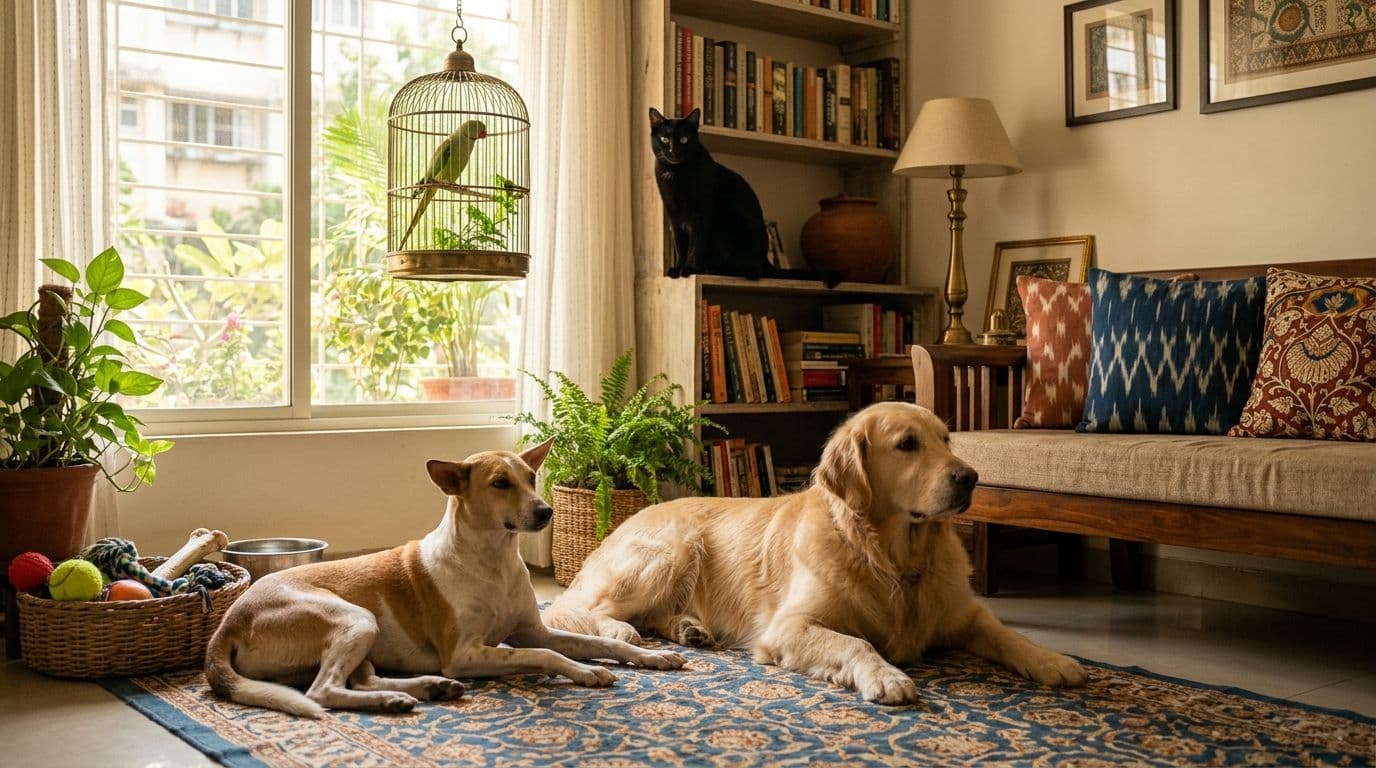
• **Birds:** Parakeets, finches, or cockatiels can be engaging pets, offering companionship through their chirps and interactions. They need spacious cages, a balanced diet, and mental stimulation. However, some larger parrots can live for many decades and require significant commitment.
• **Fish:** A well-maintained aquarium with fish like guppies, tetras, or goldfish can be a calming and beautiful addition to a home. They require consistent water quality, appropriate tank size, and regular feeding, but minimal direct interaction.
• **Small Mammals:** Hamsters, guinea pigs, or rabbits can be charming pets. Each species has specific housing, dietary, and social needs. For example, rabbits are social animals that often thrive in pairs and require a diet rich in hay, while hamsters are solitary and nocturnal.
The Adoption Journey: A Responsible Choice in India
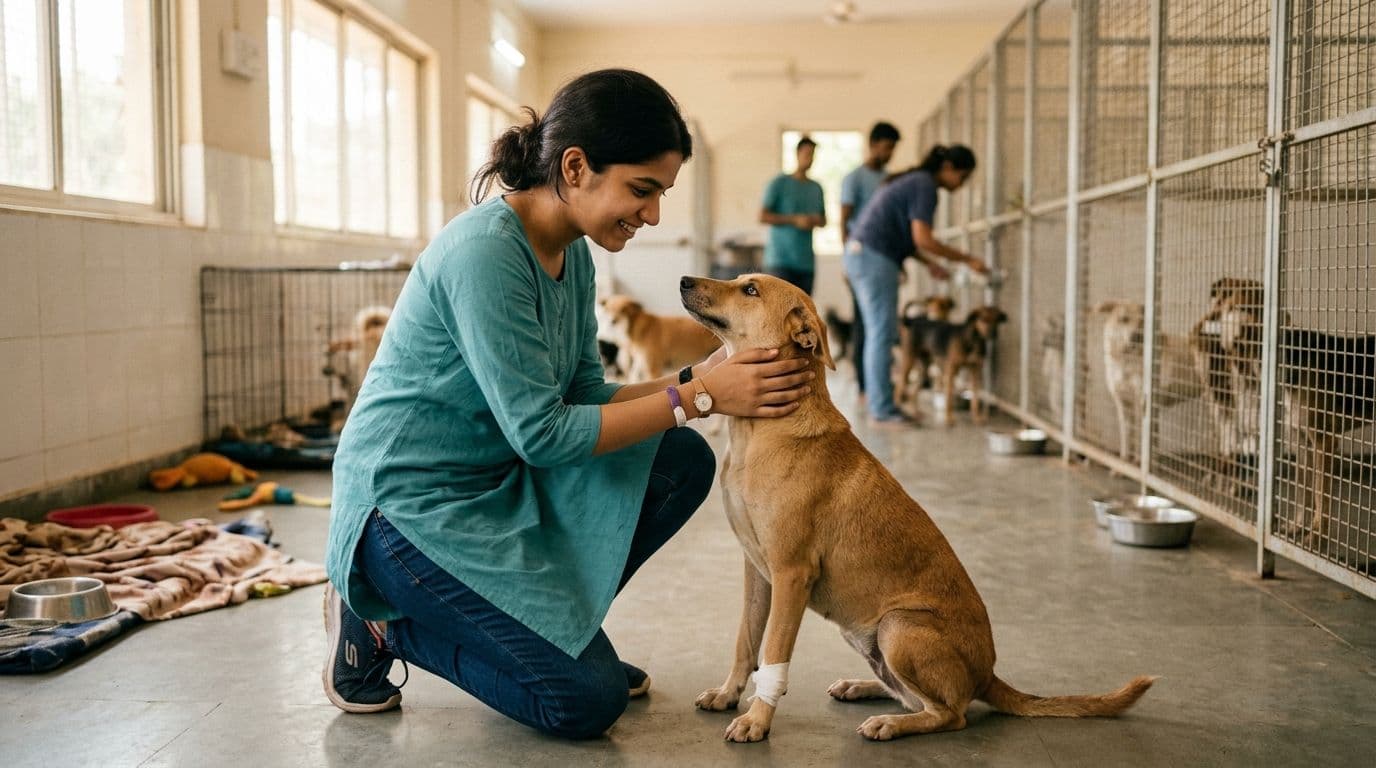
Once you've carefully considered your lifestyle and identified a suitable type of pet, the next step is often adoption. In India, numerous animal welfare organizations and independent rescuers work tirelessly to find loving homes for abandoned and stray animals. Adopting not only gives an animal a second chance but also helps reduce the number of animals in shelters.
The adoption process typically involves an application, an interview, and sometimes a home visit to ensure a safe and suitable environment. Be prepared to discuss your living situation, experience with pets, and your commitment to responsible care. Shelters prioritize the well-being of their animals and aim to make the best possible match.
Before finalizing an adoption, spend time interacting with the animal. Observe its temperament, energy level, and how it responds to you. Discuss its history and any known health or behavioural issues with the shelter staff. This due diligence ensures that you are fully prepared for the responsibilities and joys of bringing your new companion home.
Common Questions
What factors should I consider before getting a pet in India? Before getting a pet in India, consider your available time for care and training, the space in your home, and your financial capacity for food, vet visits, and emergencies. Research local regulations, your family's lifestyle, and the specific needs of different animals to ensure a responsible and suitable match for long-term companionship.
Are dogs or cats better for first-time pet owners? Both dogs and cats can be great for first-time pet owners, depending on individual lifestyles. Cats are often perceived as more independent, requiring less direct supervision and outdoor exercise, making them suitable for busy individuals. Some dog breeds, like Indian Pariah dogs or Labradors, are also adaptable and forgiving, making them good choices for new owners willing to commit to training.
What are the costs associated with pet ownership in India? Pet ownership in India involves various costs, including initial adoption/purchase fees, vaccinations, food, grooming, toys, and regular veterinary check-ups. Emergency medical care can be significant. Monthly expenses can range from INR 1,500-3,500 for a cat to INR 2,000-5,000 for a dog, depending on size, breed, and specific needs.
Can I keep exotic pets in India? Keeping exotic pets in India is subject to strict regulations and ethical considerations. Many exotic animals are protected under the Wildlife Protection Act, 1972, and their trade or possession can be illegal. It is crucial to verify the legality and ensure you can meet the highly specialized care requirements, which are often complex and difficult to provide responsibly.
How do I adopt a pet from an Indian shelter? To adopt a pet from an Indian shelter, you typically submit an application, undergo an interview, and sometimes a home visit by shelter staff. They assess your living situation and commitment to responsible pet care. Be prepared to discuss your experience and interact with potential pets to ensure a good match before finalizing the adoption process.
Next step
Ready to Welcome a New Family Member?
Explore our comprehensive guide on pet care essentials, from nutrition and grooming to training tips tailored for Indian pet owners. Find local adoption centers and resources to help you embark on your journey with confidence and joy. Make an informed decision for a happy, healthy pet.