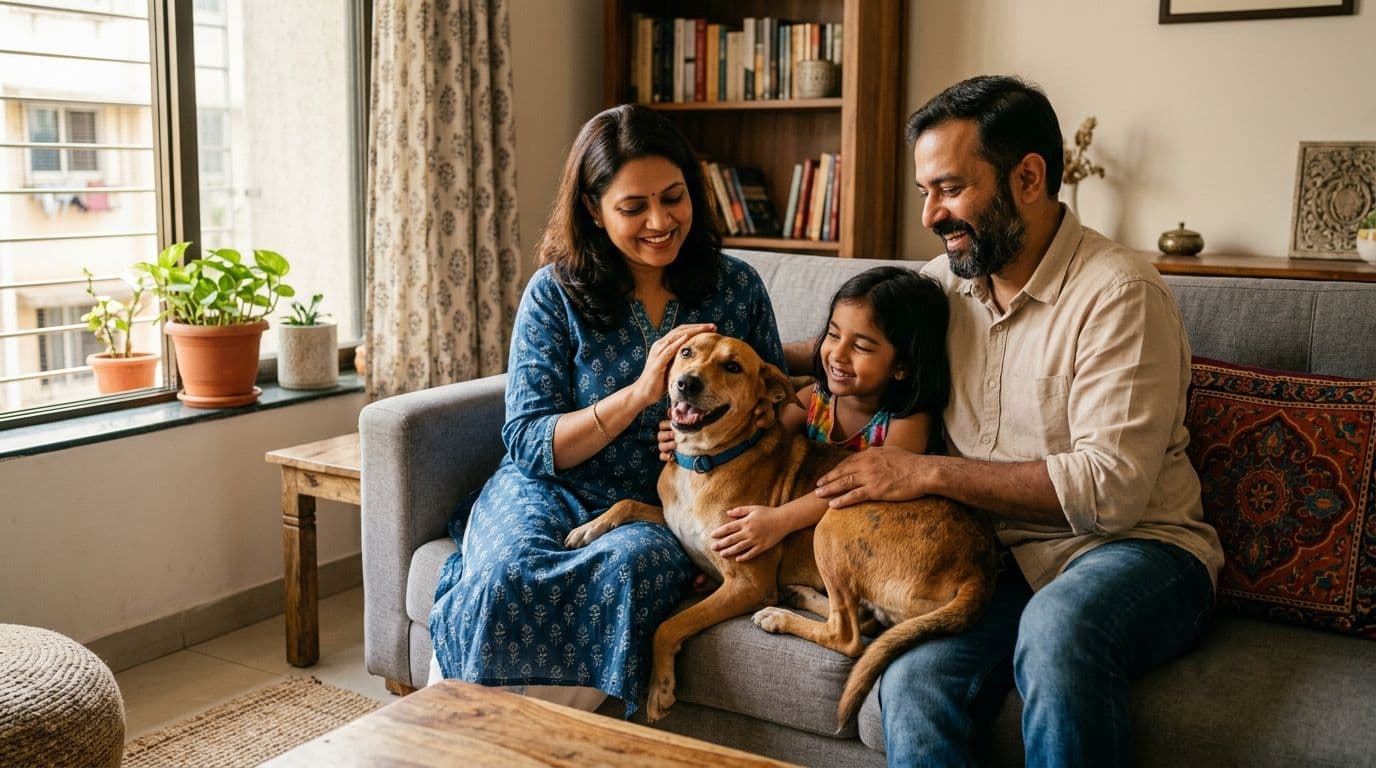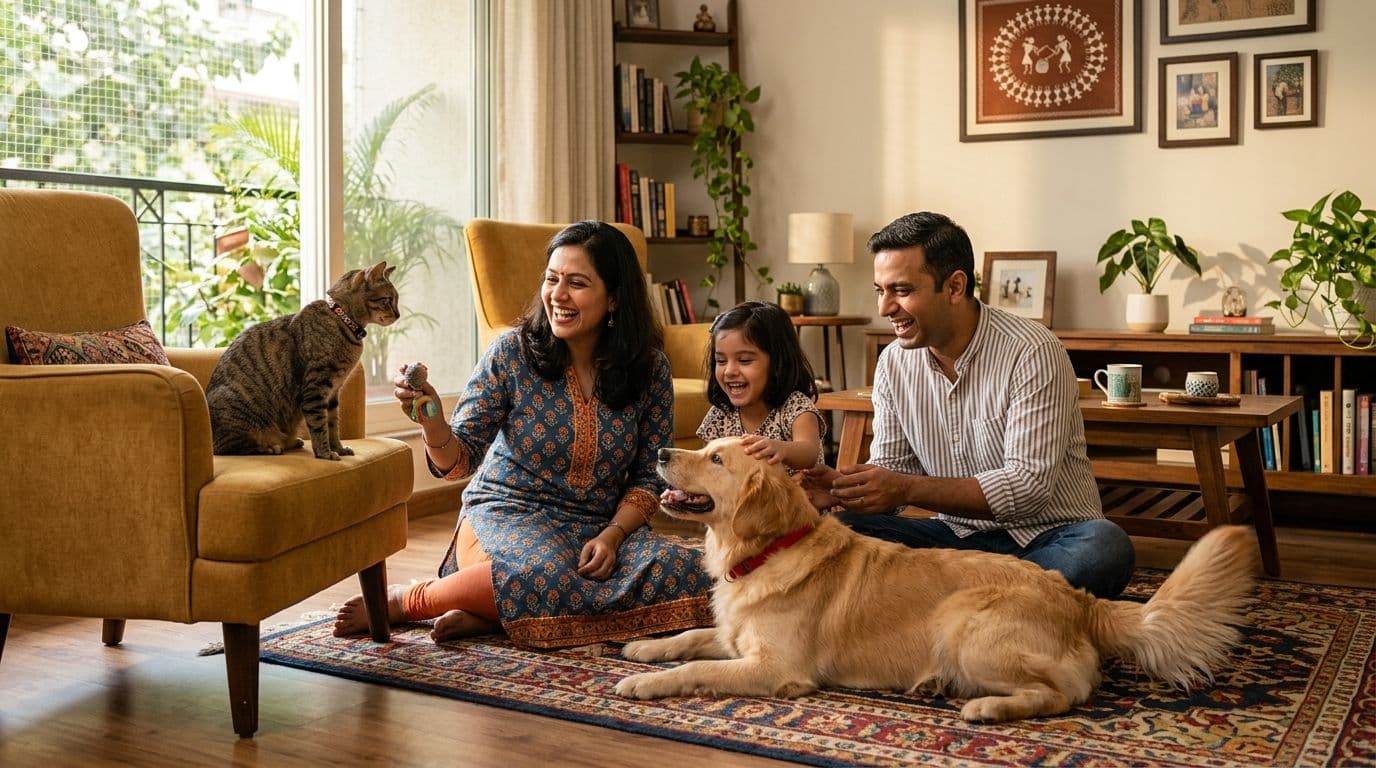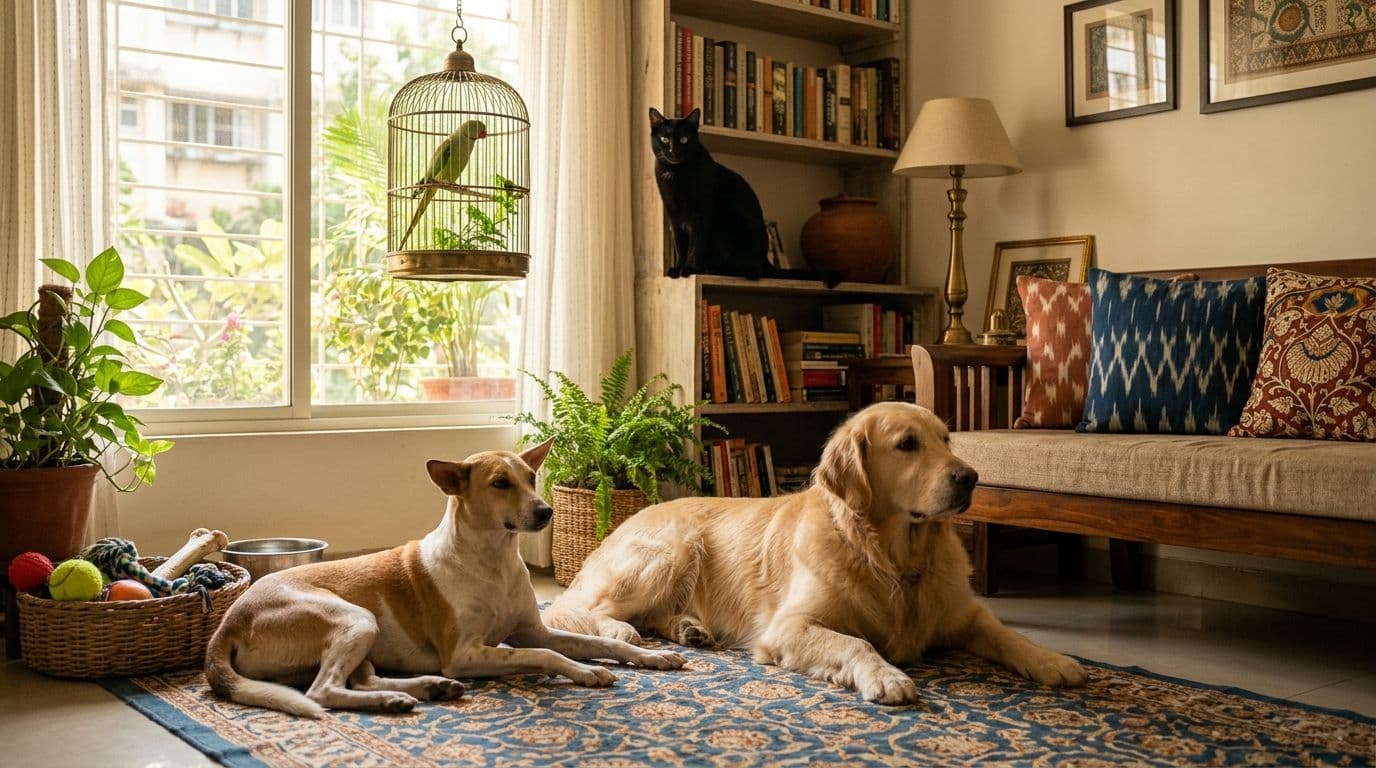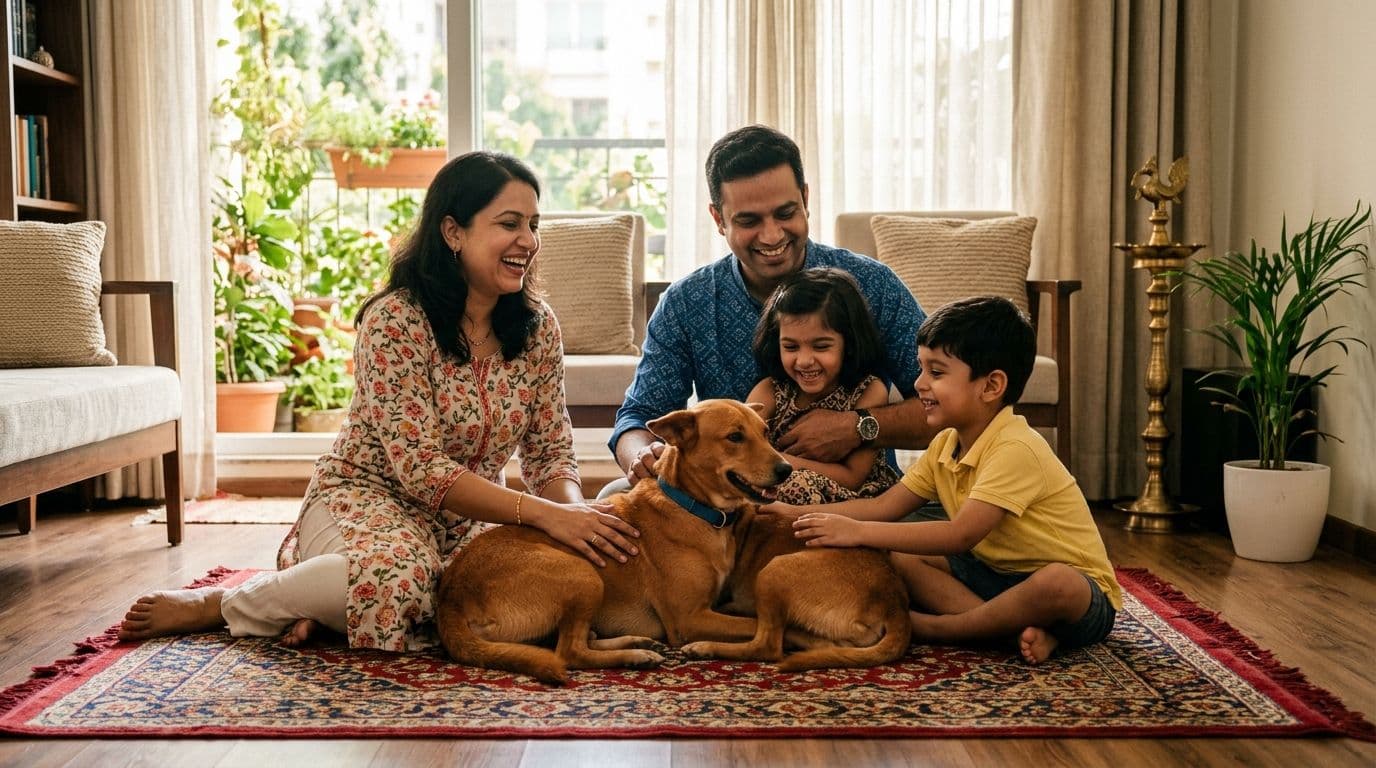
India has an estimated 30 million stray dogs and countless cats living on the streets — animals that face daily hardship and rarely find homes without deliberate human intervention. When you choose to adopt rather than purchase a pet, you directly reduce that number by one, and you support the organisations and foster networks working to reduce it further. This guide is for first-time adopters in India: what to expect from the process, how to prepare your home, what to ask the shelter or rescue, and how to give a rescue animal the best possible start. Adoption is not simply an ethical preference over buying — it is often the more practical choice, with healthier, more resilient animals and lower upfront costs than many people expect.
Why Adopt? The Unconditional Rewards
Adopting a pet from a shelter or rescue organisation in India offers numerous benefits that extend far beyond simply gaining a companion. You provide a second chance at life for an animal that may have faced neglect or abandonment, freeing up space in shelters for other animals in need. This act of compassion directly supports the tireless efforts of animal welfare workers across cities like Mumbai, Delhi, and Bangalore.
Beyond the humanitarian aspect, rescue pets often come with a unique resilience and gratitude. Many are already house-trained or socialised, having lived with previous families or in a community setting. While their past may be unknown, their capacity for love and loyalty is immense, often forming incredibly strong bonds with their new owners. You're not just saving a life; you're gaining a devoted family member.
Financially, adoption is also often more economical than purchasing from breeders or pet stores. Adoption fees typically cover initial vaccinations, deworming, and sometimes even spaying or neutering, saving you significant upfront veterinary costs. This allows you to allocate more resources towards their ongoing care, nutrition, and comfort.
Opening your home to a rescue pet isn't just an act of kindness; it's an invitation to unconditional love, a journey of shared discovery, and a profound way to enrich your life and theirs.
Finding Your Furry Companion in India
The first step in your adoption journey is identifying reputable shelters and animal welfare organisations. Look for registered NGOs and trusts known for their ethical practices, transparent processes, and focus on the well-being of their animals. Organisations like the Blue Cross of India, Friendicoes SECA, and many local independent rescuers are excellent starting points. Many also have active social media presences where they showcase adoptable pets.
Consider the type of pet that best suits your lifestyle. Are you looking for a playful puppy or kitten, a calm senior dog, or a quiet cat? Shelters house a wide variety of animals, each with their own personality and needs. Spend time interacting with different animals, observing their temperament, and asking staff about their known history and behaviour. Don't rush this crucial decision; the right match will bring joy for years to come.
Online platforms and adoption drives are also valuable resources. Many Indian cities host regular adoption camps where you can meet animals in person. Websites dedicated to pet adoption in India often list profiles of animals available for adoption, complete with photos and descriptions, allowing you to browse from the comfort of your home before arranging a visit.
Preparing Your Home for a New Arrival
Before your rescue pet arrives, 'pet-proofing' your home is essential to ensure their safety and comfort. This involves securing loose wires, storing toxic substances (cleaners, medications, certain plants) out of reach, and removing small objects that could be swallowed. Designate a quiet, comfortable space where your pet can retreat and feel secure, especially during their initial adjustment period.
Gather all necessary supplies in advance. For dogs, this includes a collar, leash, food and water bowls, a comfortable bed, appropriate toys, and grooming tools. For cats, you'll need a litter box, litter, scratching post, food and water bowls, a bed, and toys. Choose high-quality pet food suitable for their age and species, and consider a local Indian brand that meets nutritional standards.
If you have other family members, including children or existing pets, prepare them for the new arrival. Educate children on gentle interaction and respecting the pet's space. For existing pets, plan for a gradual introduction in a controlled environment to minimise stress and foster a positive relationship from the start. Patience and supervision are key during this integration phase.
Navigating the Adoption Process
The adoption process in India typically involves several steps designed to ensure a good match between pet and owner. It usually begins with an application form, where you provide details about your living situation, experience with pets, and expectations. Be honest and thorough; shelters use this information to assess suitability and guide you towards the right animal.
Following the application, many organisations conduct an interview, either in person or over the phone. This is an opportunity for them to learn more about you and for you to ask any questions. Some shelters may also perform a home visit to ensure your environment is safe and suitable for a pet. This isn't an intrusion but a welfare check, often a sign of a responsible organisation dedicated to their animals' future.
Once approved, you'll complete the necessary paperwork, which usually includes an adoption agreement outlining your responsibilities as a pet owner. A nominal adoption fee, typically ranging from INR 500 to INR 5000, is often required. This fee helps cover the shelter's costs for vaccinations, food, and medical care for their animals, enabling them to continue their life-saving work.
Welcoming Your New Family Member
The first few days and weeks with a rescue pet are crucial for building trust and helping them settle in. Expect a period of adjustment; your new companion might be shy, anxious, or overwhelmed initially. Maintain a consistent routine for feeding, walks, and playtime to provide a sense of stability and predictability. Positive reinforcement training, using treats and praise, is highly effective for building good habits.
Schedule a visit to a local veterinarian within the first week of adoption. Even if the shelter provided initial vaccinations, a comprehensive check-up is vital to establish a baseline for your pet's health, address any underlying issues, and discuss ongoing preventive care, including parasite control and future vaccinations. Your vet can also offer advice tailored to your pet's specific needs.
Patience is paramount. Some rescue pets adjust quickly, while others may take weeks or even months to fully relax and show their true personality. Provide a calm, loving environment, respect their boundaries, and celebrate small victories. The bond you form with a rescue pet is incredibly special and deep, built on trust, understanding, and the profound gratitude of a life saved.
Common Questions
What are the benefits of adopting a pet in India? Adopting a pet in India provides a loving home for an animal in need, directly reduces the stray population, and supports local animal welfare organisations. Rescue pets often come with a unique resilience and gratitude, forming deep bonds with their new families. Additionally, adoption fees typically cover initial medical care like vaccinations and deworming, making it a cost-effective and compassionate choice for pet ownership.
How do I find a reputable animal shelter in India? To find a reputable animal shelter in India, look for registered NGOs and trusts with transparent operations and a strong focus on animal welfare. Organisations like the Blue Cross of India, Friendicoes SECA, and local independent rescuers are good starting points. Check their online reviews, social media presence, and visit their facility in person if possible to assess their standards of care and cleanliness before committing to adoption.
What should I prepare before bringing a rescue pet home? Before bringing a rescue pet home, ensure your living space is pet-proofed by securing hazards and designating a quiet, safe retreat for them. Gather essential supplies such as food and water bowls, a comfortable bed, appropriate toys, and grooming tools. For cats, include a litter box and scratching post. Prepare family members, including children and existing pets, for a gradual and supervised introduction to ensure a smooth transition for everyone.
What is the typical pet adoption process in India? The typical pet adoption process in India starts with an application form detailing your living situation and pet experience. This is often followed by an interview, and sometimes a home visit, conducted by the rescue organisation to ensure a suitable environment. Once approved, you'll complete an adoption agreement and pay a nominal adoption fee, which helps cover the costs of the animal's care at the shelter.
How long does it take for a rescue pet to adjust to a new home? The adjustment period for a rescue pet in a new home varies greatly, ranging from a few days to several months. Factors like the pet's past experiences, temperament, and the new home environment all play a role. Patience, consistency in routine, positive reinforcement, and providing a calm, loving space are crucial. Regular vet check-ups and professional behavioural guidance can also aid in a smoother transition.
Next step
Ready to Adopt? Find Your Perfect Match!
Explore our comprehensive directory of verified animal shelters and rescue organisations across India. Filter by city, animal type, and more to connect with pets eagerly awaiting a loving home. Start your adoption journey today and make a lasting difference.