Animal welfare NGOs in India operate on the front line of a crisis: millions of stray animals, insufficient shelters, and a chronic gap between the scale of the problem and the available resources to address it. Understanding how these organisations actually work — how they are funded, how they make rescue and rehoming decisions, and what legal frameworks they navigate — helps donors give more effectively and helps communities support them better. This guide explains the structure of animal welfare NGOs in India, the regulatory context they operate within (including FCRA rules for foreign donations and 80G tax exemptions for Indian donors), and the practical role that platforms, volunteers, and public engagement play in making rescue and rehabilitation viable at scale.
Rescue Operations & Emergency Response
Animal NGOs in India maintain dedicated rescue teams, often operating 24/7, to respond to distress calls regarding injured, sick, or abandoned animals. These teams are equipped with basic first-aid kits, catch poles, nets, and transport vehicles, allowing them to safely retrieve animals from challenging situations, including busy roads, construction sites, and dangerous environments. Their rapid response is critical in saving lives and preventing further suffering.
The types of rescues vary widely, from stray dogs hit by vehicles in Mumbai to abandoned cats in Delhi, or even livestock in rural areas. Once an animal is rescued, it undergoes an initial assessment for injuries and health conditions. This immediate triage determines the urgency of veterinary care and the subsequent course of treatment at the NGO’s facility or a partner clinic. Documentation of the rescue, including location and circumstances, is also a crucial step.
Every wagging tail, every purring cat, every healed wing is a testament to the tireless dedication of India's animal welfare heroes, transforming despair into hope, one rescue at a time.
Funding & Resource Mobilisation
Operating an animal welfare NGO is resource-intensive, requiring substantial funds for veterinary care, food, shelter maintenance, staff salaries, and outreach programs. In India, many NGOs rely heavily on public donations, corporate social responsibility (CSR) initiatives, and grants from national and international foundations. Fundraising campaigns, online appeals, and community events are common strategies to garner financial support.
Beyond monetary contributions, NGOs depend on in-kind donations such as pet food, blankets, medicines, and building materials. Volunteer support is equally vital, with individuals contributing their time for animal care, administrative tasks, fundraising, and adoption drives. Effective resource mobilisation is the backbone that allows these organisations to sustain their critical work and expand their impact.
Challenges in funding are constant, particularly for smaller, local organisations that may lack the infrastructure for large-scale fundraising. Transparency in financial reporting is paramount to build trust with donors and ensure accountability for every rupee spent on animal welfare.
Shelter Management & Animal Care
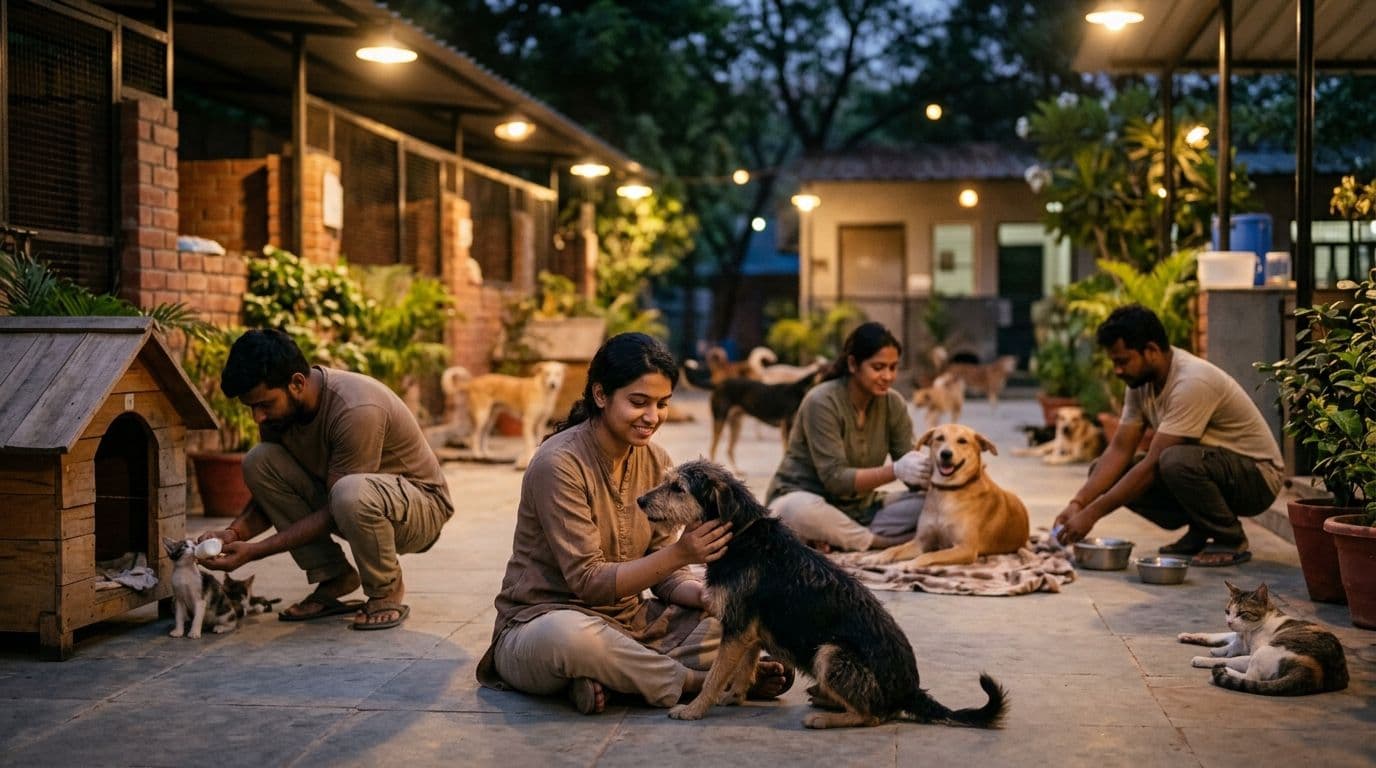
Once rescued, animals are brought to shelters or foster homes where they receive comprehensive care. This includes regular feeding, access to clean water, comfortable bedding, and a safe, hygienic environment. Medical care is a significant component, involving vaccinations, deworming, spaying/neutering, and treatment for illnesses or injuries by resident veterinarians or visiting specialists.
Shelter management also involves maintaining proper hygiene protocols to prevent the spread of diseases, regular cleaning of kennels and catteries, and ensuring adequate space for each animal. Behavioural assessment and enrichment activities are also undertaken to prepare animals for eventual adoption, helping them socialise and recover from trauma. This holistic approach ensures both physical and mental well-being.
Many NGOs also provide specialised care units for puppies, kittens, elderly animals, or those requiring intensive medical attention, such as post-operative recovery. The goal is always to provide a nurturing environment where animals can heal and thrive before finding their forever homes.
Adoption, Fostering & Community Outreach
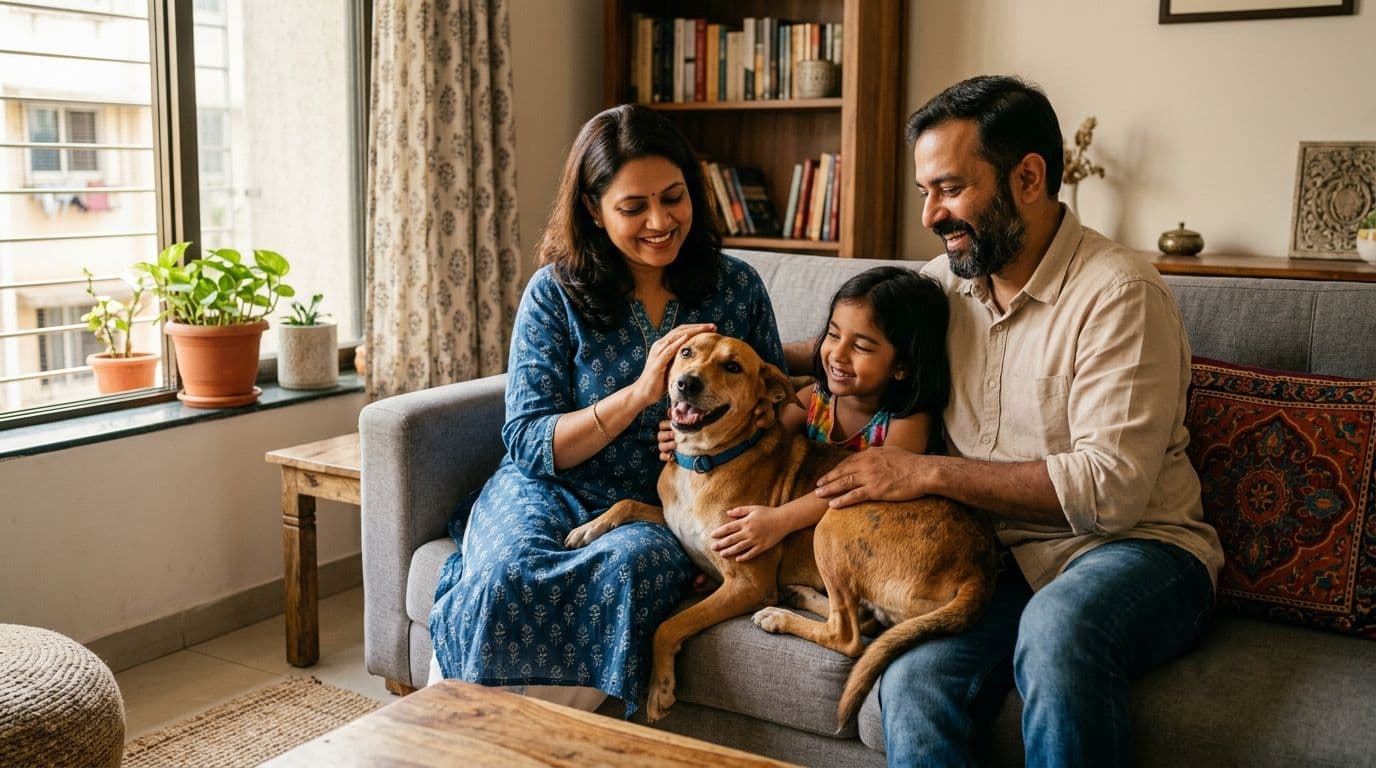
The ultimate goal for most rescued animals is to find a loving, permanent home. NGOs facilitate this through rigorous adoption processes, which often include application forms, home checks, and counselling sessions for potential adopters. This ensures that animals are placed in suitable environments where they will receive proper care and affection. Fostering programs also play a crucial role, providing temporary homes for animals, especially young ones or those recovering, thereby freeing up space in shelters.
Community outreach is another key aspect of NGO work. This includes organising awareness campaigns on responsible pet ownership, the importance of sterilisation, and animal cruelty prevention. Educational workshops in schools and local communities help foster empathy towards animals and promote humane treatment. Many NGOs also run vaccination drives and anti-rabies campaigns in collaboration with local authorities.
These outreach efforts are vital for addressing the root causes of animal suffering, reducing the number of strays, and building a more compassionate society. They empower individuals to become active participants in animal welfare, whether through adoption, volunteering, or reporting abuse.
Challenges & The Road Ahead
Animal NGOs in India face numerous challenges, including limited funding, inadequate infrastructure, a shortage of trained personnel, and the sheer volume of animals requiring assistance. Cultural attitudes towards stray animals, illegal breeding practices, and a lack of stringent enforcement of animal protection laws further complicate their efforts. Managing public expectations and dealing with emotionally taxing situations are also daily realities.
Despite these hurdles, the future of animal welfare in India is promising, driven by increasing public awareness and a growing network of dedicated individuals and organisations. Technological advancements are being leveraged for better rescue coordination, fundraising, and adoption matching. Collaboration among NGOs, government bodies, and veterinary professionals is crucial for creating sustainable solutions and advocating for stronger animal protection policies.
The collective effort to educate, advocate, and provide direct care continues to transform the lives of countless animals. Supporting these NGOs, whether through donations, volunteering, or adopting, directly contributes to a more humane India for all creatures.
Common Questions
How do animal NGOs get funding in India? Animal NGOs in India primarily secure funding through public donations, which can be direct contributions or raised through online campaigns and community events. They also receive support from corporate social responsibility (CSR) initiatives by businesses and apply for grants from both national and international foundations dedicated to animal welfare. In-kind donations of food, medicine, and supplies are also crucial.
What kind of animals do Indian NGOs rescue? Indian NGOs rescue a wide variety of animals, predominantly stray dogs and cats that are injured, sick, abandoned, or victims of abuse. Their work also extends to rescuing livestock such as cows, goats, and donkeys, as well as various birds and sometimes exotic animals that have been illegally kept or injured. The focus is on any animal in distress within their operational area.
How can I volunteer for animal welfare in India? You can volunteer for animal welfare in India by contacting local NGOs and shelters directly. Most organisations welcome volunteers for tasks like animal care, feeding, cleaning, assisting with adoption drives, administrative work, or even fostering animals. Look for NGOs in your city like Animal Aid Unlimited in Udaipur or Welfare of Stray Dogs (WSD) in Mumbai, and check their websites for volunteer application processes.
What is the adoption process like at an Indian animal shelter? The adoption process at an Indian animal shelter typically involves an application form to assess suitability, followed by a home visit to ensure the environment is safe and appropriate for a pet. Potential adopters may also undergo counselling to understand the responsibilities of pet ownership. The goal is to match animals with responsible, loving families, ensuring a permanent and happy home.
What are the biggest challenges for animal welfare in India? The biggest challenges for animal welfare in India include limited funding, which impacts resources for care and infrastructure, and the overwhelming number of stray animals. Other significant hurdles are inadequate enforcement of animal protection laws, prevalent illegal breeding, and varying public attitudes towards animal welfare. Managing the emotional toll on staff and volunteers is also a constant challenge.
Next step
Support Animal Welfare: Find an NGO Near You
Your support is crucial for animal NGOs across India. Whether through volunteering your time, making a donation, or considering adoption, every action makes a difference. Explore our directory of verified animal welfare organisations and find out how you can contribute to their life-saving work today. Together, we can build a more compassionate India for all creatures.