Most vet visits in India happen because something is already wrong. By that point, conditions that were straightforward to treat at an earlier stage have often progressed — and the cost, both financial and in terms of the animal's wellbeing, is higher than it needed to be. Preventive veterinary care is the most cost-effective investment a pet owner can make, and knowing the right schedule for your pet's life stage removes the guesswork entirely. This guide gives clear, practical guidance on how often dogs and cats should see a vet in India, covers the vaccination schedule recommended by Indian veterinary authorities and the WSAVA, explains what a routine wellness check should include, and identifies the signs that make an unscheduled appointment necessary rather than optional.
Understanding the Importance of Preventive Care
Preventive veterinary care forms the bedrock of a pet's long and healthy life. Unlike reactive care, which addresses illnesses after they manifest, preventive measures aim to avert health problems before they become serious. This approach is particularly vital in India, where environmental factors, climate variations, and the prevalence of certain diseases necessitate a proactive stance on pet health.
Regular check-ups allow veterinarians to establish a baseline for your pet's health, making it easier to identify subtle changes that could indicate an underlying issue. These visits include thorough physical examinations, dental checks, and discussions about nutrition, exercise, and behavior. Early detection of conditions like kidney disease, diabetes, or dental issues often leads to more effective and less invasive treatment options, improving your pet's quality of life and potentially reducing future veterinary costs.
Preventive veterinary care is not just about avoiding illness; it's about investing in a longer, happier, and healthier life for your cherished companion. Regular check-ups are the bedrock of responsible pet ownership.
Puppies & Kittens: Building a Strong Foundation
The first few months of a pet's life are critical for establishing a robust immune system and ensuring healthy development. Puppies and kittens require a series of veterinary visits to receive their core vaccinations, which protect against common and often deadly diseases prevalent in India, such as Distemper, Parvovirus, and Rabies.
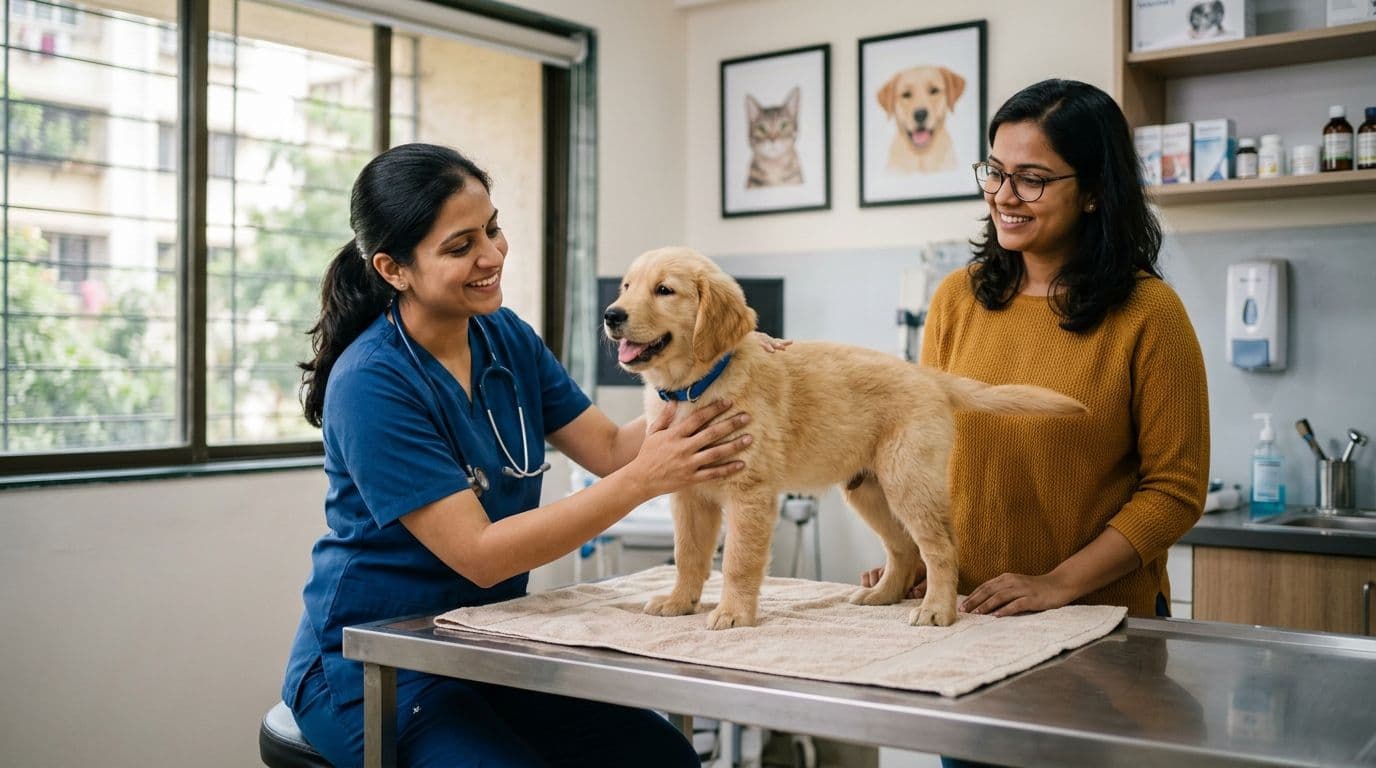
During these initial appointments, your vet will also: * Conduct thorough physical examinations to check for congenital issues or developmental concerns. * Administer deworming treatments, as young animals are highly susceptible to internal parasites. * Discuss flea and tick prevention strategies suitable for the Indian climate. * Provide guidance on nutrition, house-training, socialization, and spaying/neutering options. * Offer advice on microchipping for identification and safety, a growing practice among Indian pet owners.
Adult Pets: Maintaining Optimal Health
Once your pet reaches adulthood (typically between one to seven years, depending on breed), annual preventive check-ups become the standard. Even if your pet appears healthy, these yearly visits are crucial for maintaining their well-being and catching silent illnesses before they progress. Many serious conditions show no obvious symptoms in their early stages.
An annual visit for an adult pet in India usually includes a comprehensive physical exam, updated vaccinations (as per your vet's recommendation and local regulations), parasite screening, and a discussion about dental health. Your veterinarian may also recommend routine blood tests, especially for certain breeds or as your pet approaches their senior years, to monitor organ function and detect early signs of metabolic diseases.
Senior Pets: Tailored Care for Golden Years
As pets age, their healthcare needs evolve, making more frequent veterinary visits essential. Pets are generally considered senior around seven years of age, though this varies by breed and size. For senior pets, twice-yearly check-ups are often recommended to closely monitor for age-related conditions.
These visits will focus on detecting common senior ailments such as arthritis, kidney disease, heart conditions, hyperthyroidism (in cats), and cognitive dysfunction. Your vet may suggest more extensive diagnostic tests, including regular blood work, urinalysis, blood pressure monitoring, and sometimes imaging, to ensure early intervention and help manage chronic conditions effectively, ensuring your senior companion enjoys their golden years comfortably.
Beyond Routine: When to Seek Urgent Veterinary Attention
While preventive care is paramount, knowing when to bypass a scheduled appointment and seek immediate veterinary help is equally critical. Emergency situations can arise suddenly, and prompt action can be life-saving. Trust your instincts; if something feels seriously wrong with your pet, it likely is.
Signs that warrant an immediate vet visit include severe lethargy or weakness, persistent vomiting or diarrhea, difficulty breathing, collapse, seizures, profuse bleeding, inability to urinate or defecate, sudden lameness, suspected poisoning (e.g., after ingesting household cleaners or certain plants common in Indian homes like oleander), or any significant trauma such as a fall or road accident. Do not delay in these instances; contact your nearest emergency veterinary clinic without hesitation.
Common Questions
How often should I take my dog to the vet in India? For adult dogs in India, an annual preventive check-up is generally recommended. Puppies and senior dogs require more frequent visits, often every 3-4 weeks initially for puppies, and twice a year for seniors. These visits ensure vaccinations are up-to-date, parasites are managed, and any emerging health concerns are addressed early, considering local disease prevalence.
What vaccinations do puppies need in India? Puppies in India typically require core vaccinations against Distemper, Parvovirus, Hepatitis, and Leptospirosis, often given in a series starting at 6-8 weeks of age. Rabies vaccination is mandatory by law, usually administered around 3 months. Your vet will tailor a schedule based on your puppy's breed, environment, and local disease risks.
How often should older cats see a vet? Senior cats, generally those aged 7 years and above, should visit the vet at least twice a year for comprehensive check-ups. These more frequent visits allow for early detection of age-related conditions like kidney disease, arthritis, or hyperthyroidism. Regular blood work, urine tests, and blood pressure monitoring are often recommended to maintain their quality of life.
What are signs my pet needs urgent vet care? Urgent vet care is needed if your pet exhibits severe symptoms such as prolonged vomiting or diarrhea, difficulty breathing, sudden collapse, seizures, severe lethargy, inability to urinate or defecate, profuse bleeding, or suspected poisoning. Any significant, sudden change in their normal behavior or physical state warrants immediate professional attention.
Is annual deworming necessary for pets? Yes, annual deworming is crucial for pets in India, even if they are indoor animals, due to the prevalence of various parasites. Puppies and kittens require deworming more frequently, typically every 2-4 weeks until 6 months of age. Adult pets usually need deworming every 3-6 months, as advised by your veterinarian, to prevent internal parasite infestations that can affect their health and potentially spread to humans.
Sources & References
WSAVA Vaccination Guidelines Group — core and non-core vaccination recommendations for dogs and cats, referenced by Indian veterinary practitioners. https://wsava.org
Indian Veterinary Association (IVA) — national vaccination schedules and preventive care protocols for Indian conditions. https://www.indianveterinaryassociation.com
ICAR-Indian Veterinary Research Institute (IVRI) — epidemiological data on zoonotic and endemic diseases affecting companion animals in India. https://ivri.nic.in
Animal Welfare Board of India (AWBI) — guidelines on animal healthcare standards under the Prevention of Cruelty to Animals Act, 1960. https://awbi.in
Next step
Find a Trusted Vet Near You
Locating a reliable veterinary clinic is crucial for your pet's health. Use our comprehensive directory to find experienced veterinarians and emergency services across major Indian cities, ensuring your pet gets the best care.