Most people who donate to or adopt from animal shelters in India have never seen what happens behind the reception desk. Understanding shelter operations — intake protocols, medical triage, behavioural assessment, and rehoming decisions — helps supporters make better choices and helps adopters set realistic expectations for the animals they bring home. This guide walks through the day-to-day reality of running an animal shelter in India: the challenges of overcrowding and funding, how staff and volunteers manage animal welfare under resource constraints, and what the adoption journey looks like from the shelter's perspective. If you are considering volunteering, donating, or adopting, this context will help you engage more effectively.
The Admission Process: First Steps to Recovery
When an animal arrives at a shelter, often rescued from dire circumstances, the first priority is immediate assessment. This initial intake involves a thorough health check by a veterinary technician or on-site vet, checking for injuries, parasites, and signs of disease. Animals are typically isolated to prevent potential spread of illness to the existing shelter population.
Beyond medical evaluation, each animal is registered, given a unique identification, and its story is documented. This includes details about where and when it was found, its estimated age, breed (if discernible), and any observable temperament traits. This meticulous record-keeping is crucial for tracking progress and for the eventual adoption process.
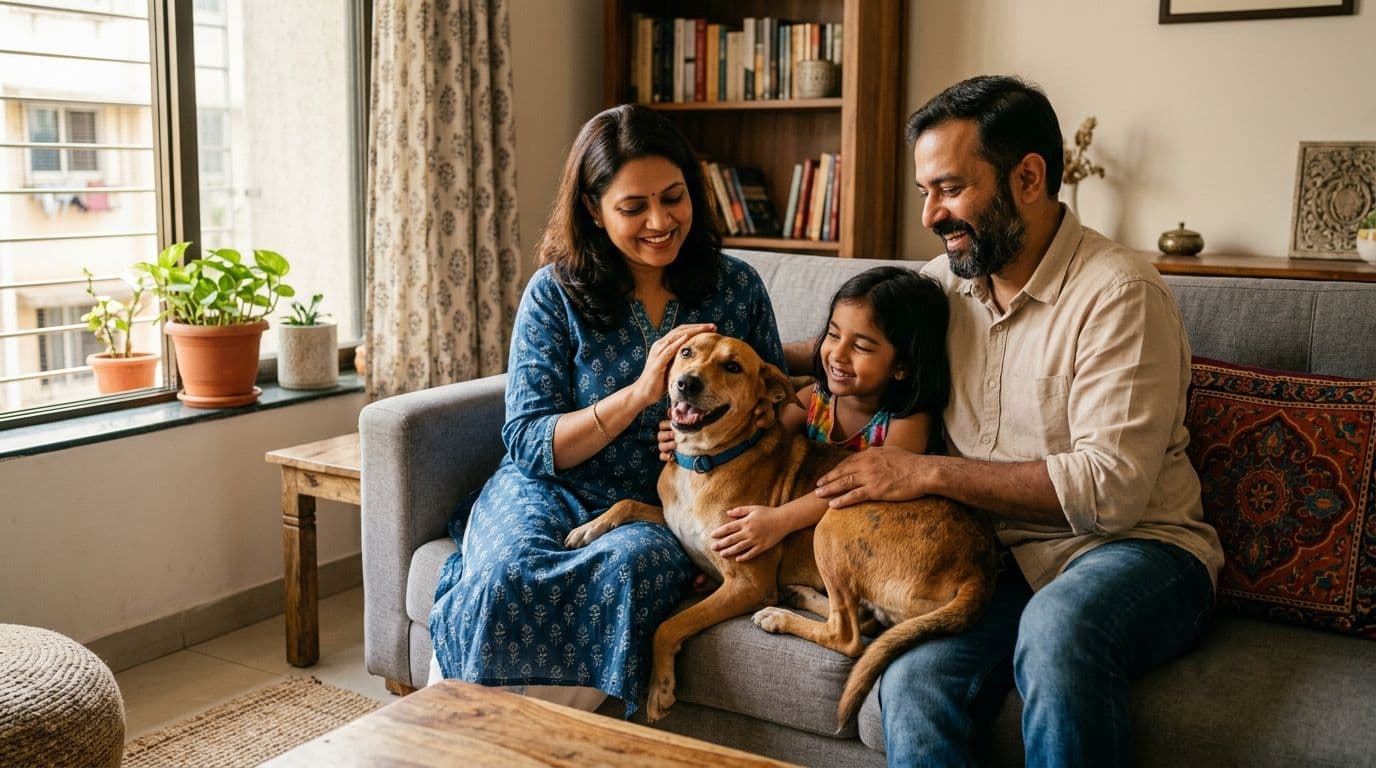
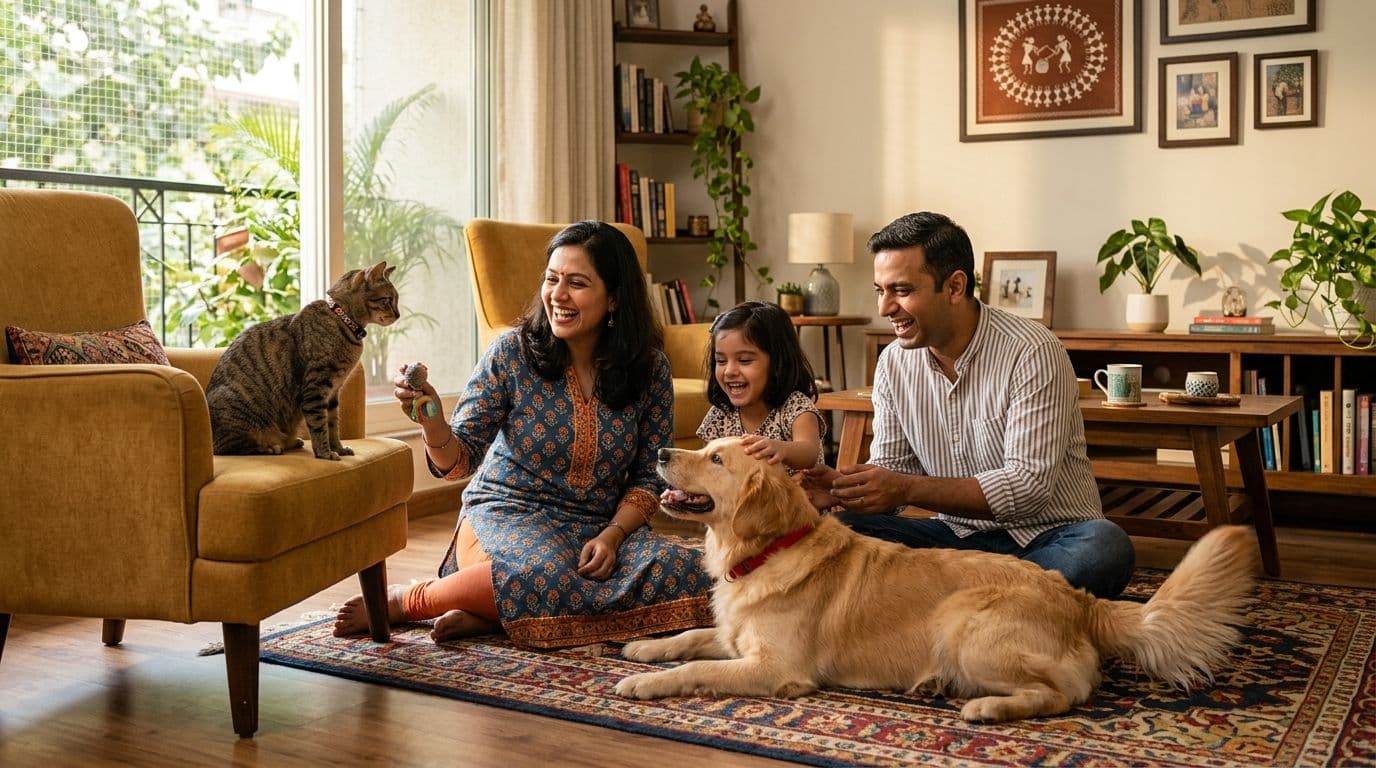
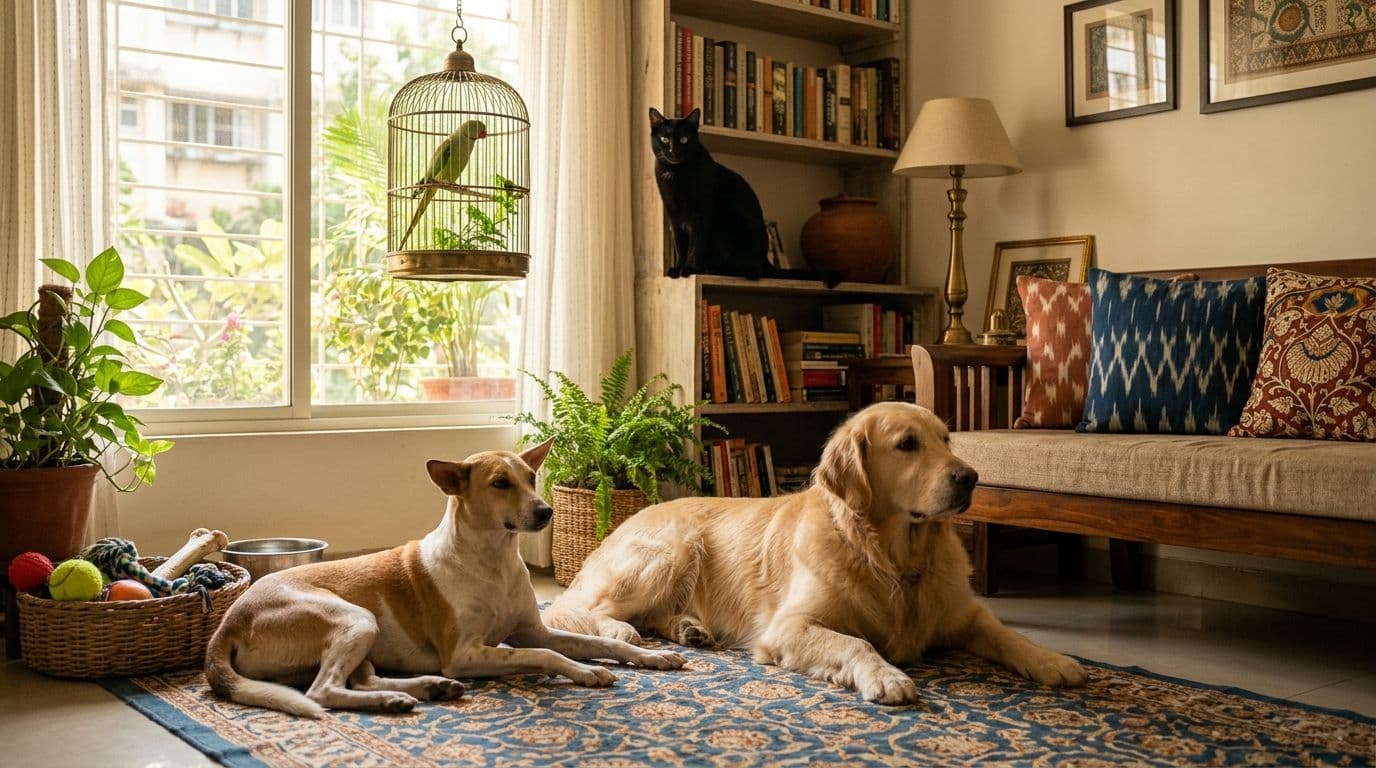
Behind every wagging tail and purring cat in an Indian animal shelter lies a story of resilience, compassion, and the unwavering hope for a second chance at a loving home.
Daily Routines: Sustaining Life and Hope
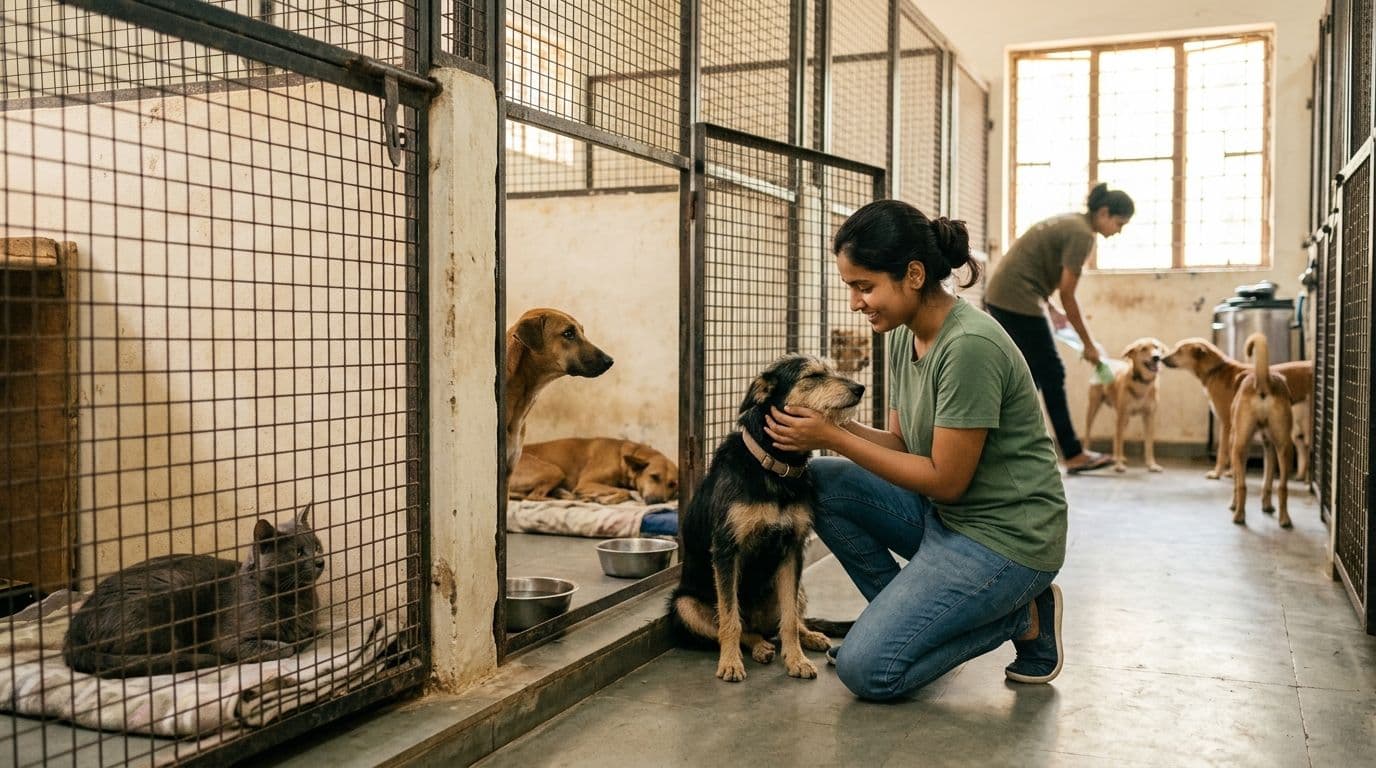
Life inside an animal shelter follows a rigorous daily schedule, ensuring every animal receives consistent care. Mornings often begin with feeding, followed by extensive cleaning of kennels, enclosures, and common areas to maintain hygiene and prevent disease. Volunteers and staff work tirelessly to provide fresh water, clean bedding, and a safe environment.
Beyond basic needs, enrichment activities are vital for an animal's mental and emotional well-being. This includes supervised playtime, walks for dogs, socialisation sessions with other animals (when appropriate), and quiet time for shy or recovering individuals. These interactions help reduce stress and prepare animals for integration into a family home.
Medical Care and Rehabilitation Journeys
Animal shelters serve as critical care facilities, often handling a wide range of medical emergencies and long-term rehabilitation cases. From treating severe injuries, performing necessary surgeries like sterilisation, to managing chronic illnesses, the veterinary teams at shelters are constantly engaged. Many animals arrive malnourished, dehydrated, or suffering from preventable diseases like distemper or parvovirus.
Rehabilitation extends beyond physical healing to behavioural modification. Animals that have experienced trauma or neglect may exhibit fear, aggression, or anxiety. Shelters employ patient, consistent training and positive reinforcement techniques to help these animals overcome their past, build trust, and become suitable companions for adoption.
The Path to a Forever Home: Adoption Protocols
The ultimate goal of most animal shelters is to find permanent, loving homes for their residents. This involves a comprehensive adoption process designed to match the right pet with the right family. Potential adopters typically undergo an application process, interviews, and sometimes home visits to ensure a safe and suitable environment for the animal.
Shelters often provide pre-adoption counseling, educating new pet parents on responsible pet ownership, diet, exercise, and ongoing veterinary care. Post-adoption follow-ups are also common, ensuring a smooth transition for the animal and offering support to the new family. This diligent screening helps prevent animals from returning to the shelter.
Challenges and Community Resilience
Indian animal shelters operate under immense pressure, facing a multitude of challenges daily:
• **Overpopulation**: A constant influx of stray and abandoned animals often exceeds capacity. • **Funding Shortages**: Reliance on donations and grants makes financial stability precarious. • **Staff & Volunteer Burnout**: The emotional and physical toll of constant care, especially for critically ill animals. • **Infrastructure Limitations**: Many shelters lack modern facilities, advanced medical equipment, or sufficient space. • **Public Awareness**: A need for greater public education on responsible pet ownership and the importance of adoption over buying.
Despite these hurdles, the resilience of shelter staff, volunteers, and the broader community is inspiring. Through concerted efforts, awareness campaigns, and unwavering dedication, they continue to provide a lifeline for countless animals in need.
Common Questions
What are the biggest challenges faced by Indian animal shelters? Indian animal shelters grapple with significant challenges including severe overpopulation, chronic funding shortages, and limited infrastructure. They also face staff and volunteer burnout due to the demanding nature of care, and a persistent need for greater public awareness regarding responsible pet ownership and the benefits of adoption. These factors collectively strain resources and impact their ability to help more animals.
How can I volunteer at an animal shelter in India? To volunteer at an animal shelter in India, start by researching local shelters or rescue organisations in your city. Contact them directly to inquire about their specific needs and application processes. Many shelters require a minimum age, a commitment to a regular schedule, and may ask for an interview or orientation. Tasks can range from cleaning kennels and feeding animals to assisting with walks, socialisation, and administrative duties.
What kind of animals are typically found in Indian shelters? Indian animal shelters predominantly house stray and abandoned dogs and cats. You will find a wide variety of breeds and mixed-breeds, from young puppies and kittens to senior animals. Some larger shelters or specialized rescue organizations may also care for injured birds, livestock, or occasional wildlife, depending on their mission and resources. The majority, however, are dedicated to canine and feline welfare.
How do animal shelters get funding in India? Animal shelters in India primarily rely on public donations, both monetary and in-kind (food, medical supplies). Many also seek grants from national and international animal welfare foundations. Fundraising events, corporate social responsibility (CSR) initiatives, and income from adoption fees (where applicable) also contribute to their operational costs. Sustained funding remains a constant challenge for most organisations.
What should I consider before adopting a pet from a shelter in India? Before adopting from an Indian shelter, consider your lifestyle, living space, and long-term commitment. Evaluate if you can provide adequate time, financial resources for food and veterinary care, and a stable, loving environment for the pet's entire life. Be prepared for an adoption process that may include interviews and home visits, and understand that shelter animals may require patience and understanding as they adjust to a new home.
Next step
Support Animal Welfare: Donate or Volunteer Today!
Your contribution, whether financial or through your time, directly impacts the lives of countless animals in need. Indian animal shelters are often stretched thin, relying on community support to provide food, medical care, and a safe haven. Find a local shelter near you and make a difference. Every little bit helps save a life and offers hope for a brighter future.